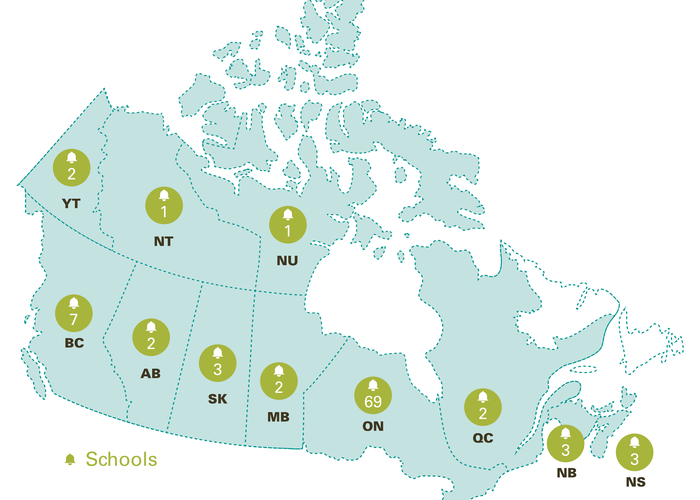


Jack Hulland Elementary School, Whitehorse, YT
Grant term, 2024-2025
JHES is a diverse school, with students representing at 12 of the 14 Yukon First Nations, as well as Inuit, Métis, and non-Yukon First Nations identities. Many of our students are newcomers to Canada, and a significant portion face barriers to access and opportunity.
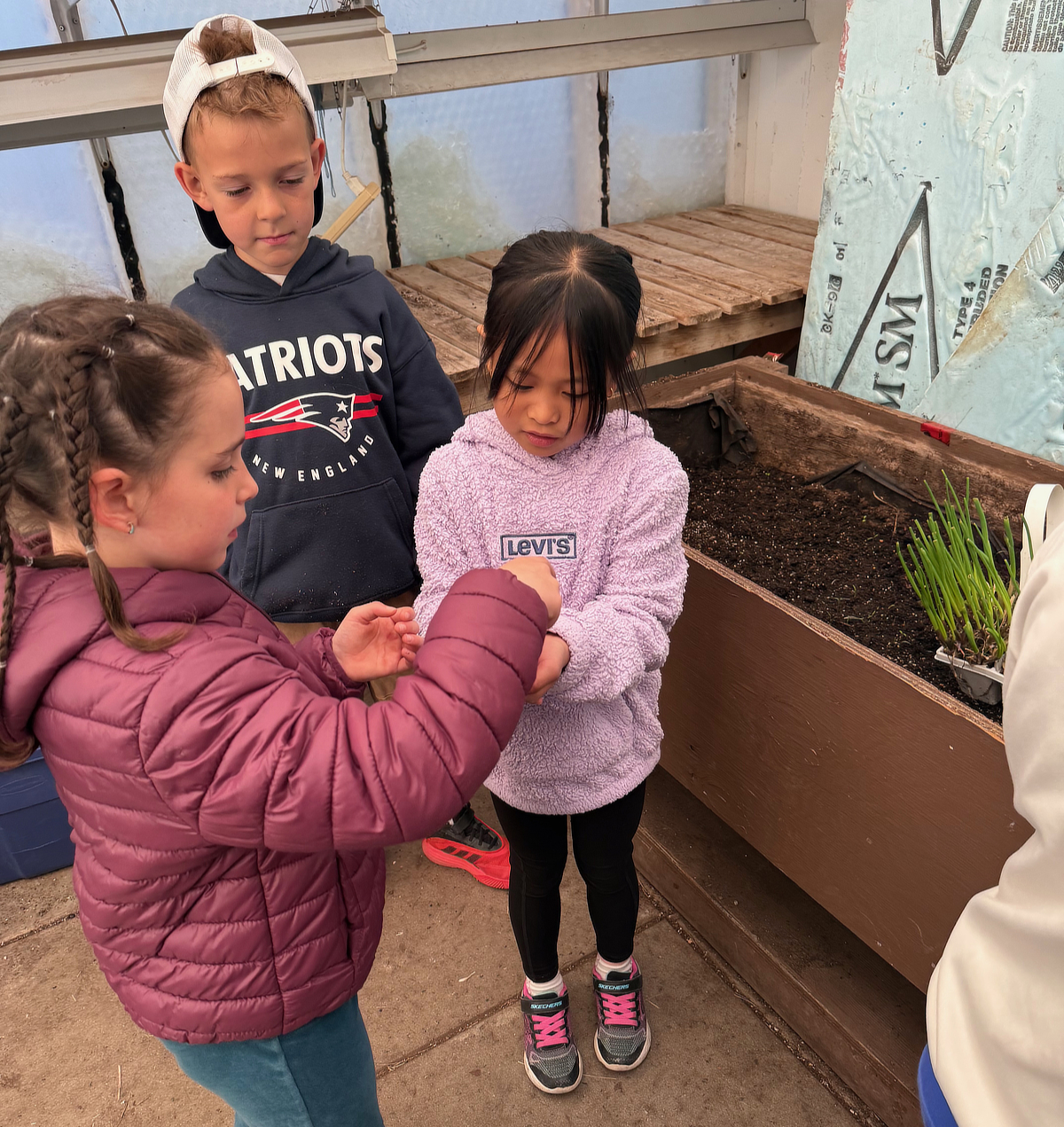
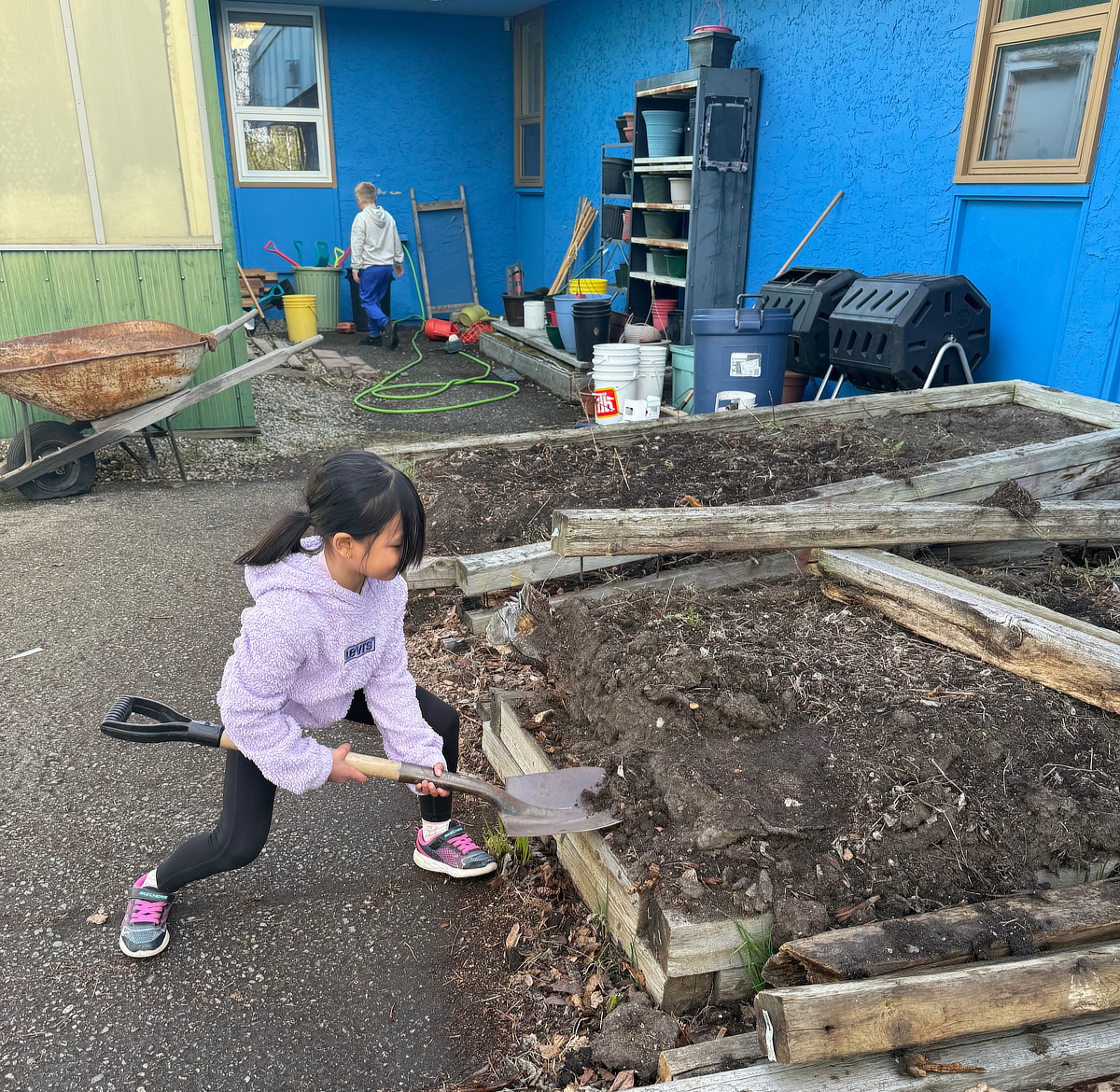
At the heart of our school grounds is a garden and greenhouse and garden space, surrounded by trees, planting boxes, and a quiet wooded sanctuary. Though once vibrant, the area had fallen into disrepair. With recent changes in school leadership and a renewed sense of purpose among staff, JHES staff saw an opportunity to reimagine this space as a garden and living classroom that could reflect the cultural identity of the school community.
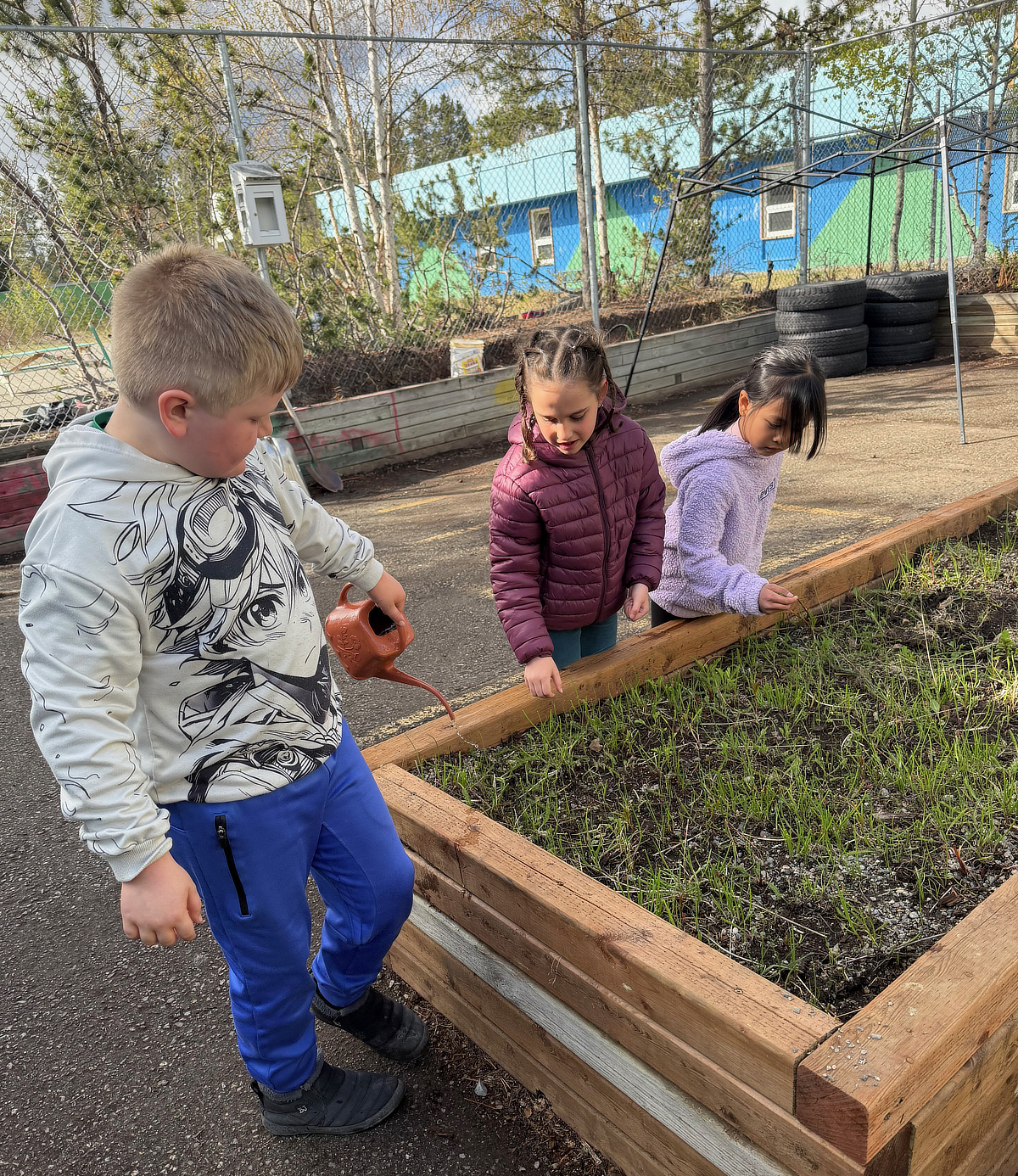
With support from this grant, that vision began to become reality. Following an exceptionally harsh Yukon winter, where temperatures dipped below -40°C for weeks, the arrival of spring marked a turning point. As soon as the snow melted, our work began in earnest. New planter boxes were built, soil and fertilizer were added, and herbs (e.g., mint) and berries (e.g., saskatoon) were planted. The space quickly became a thriving, central gathering place for all our students.
Today, every student at JHES engages with the garden in some way. They plant, water, harvest, and most importantly, learn – often without even realizing it. Lessons unfold naturally: measuring planting beds introduces math concepts; reading instructions builds literacy; discussions about climate, sustainability, and food systems deepen understanding of the world around them. For many students who experience anxiety in traditional classroom settings, the garden offers a welcoming alternative. It is a place where learning feels hands-on, relevant, and joyful.
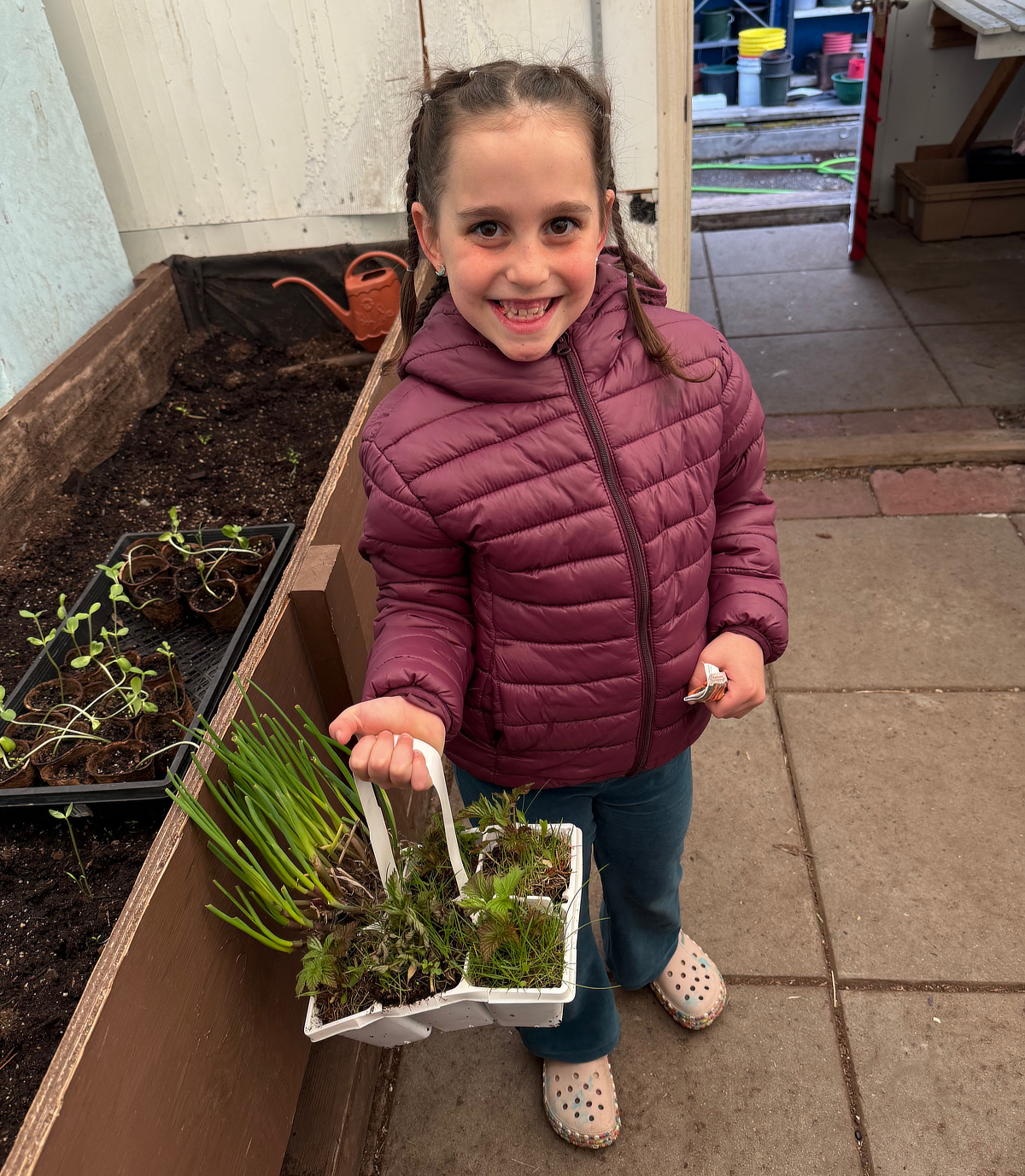
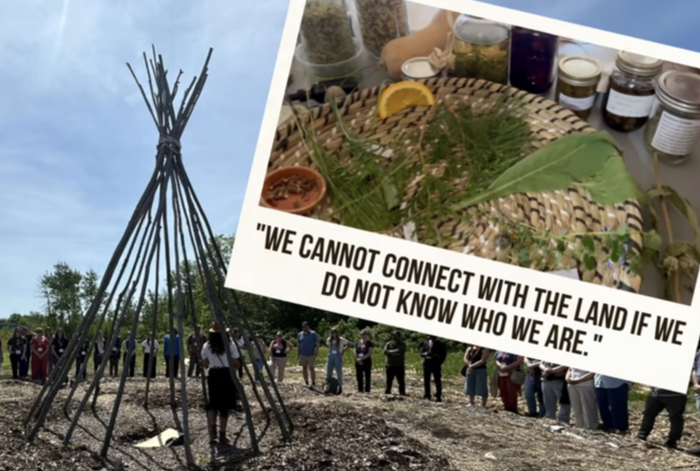
The garden also plays a vital role in strengthening cultural connections. JHES is the only elementary school in Whitehorse with a dedicated First Nations Arts and Culture team, and this expertise is woven throughout the project. Elders and Knowledge Keepers visit, sharing teachings about local plants and their medicinal and cultural significance. Students learn how to harvest and preserve foods such as berries and herbs, and how these practices are tied to identity, land, and tradition.
This space also supports students’ well-being. The garden provides a calm, outdoor, open environment where children can regulate their emotions, build social skills, and develop confidence. Working side by side toward a shared goal encourages cooperation and patience. For neurodivergent students, it offers a peaceful refuge where they can explore, make mistakes, and succeed in their own way.
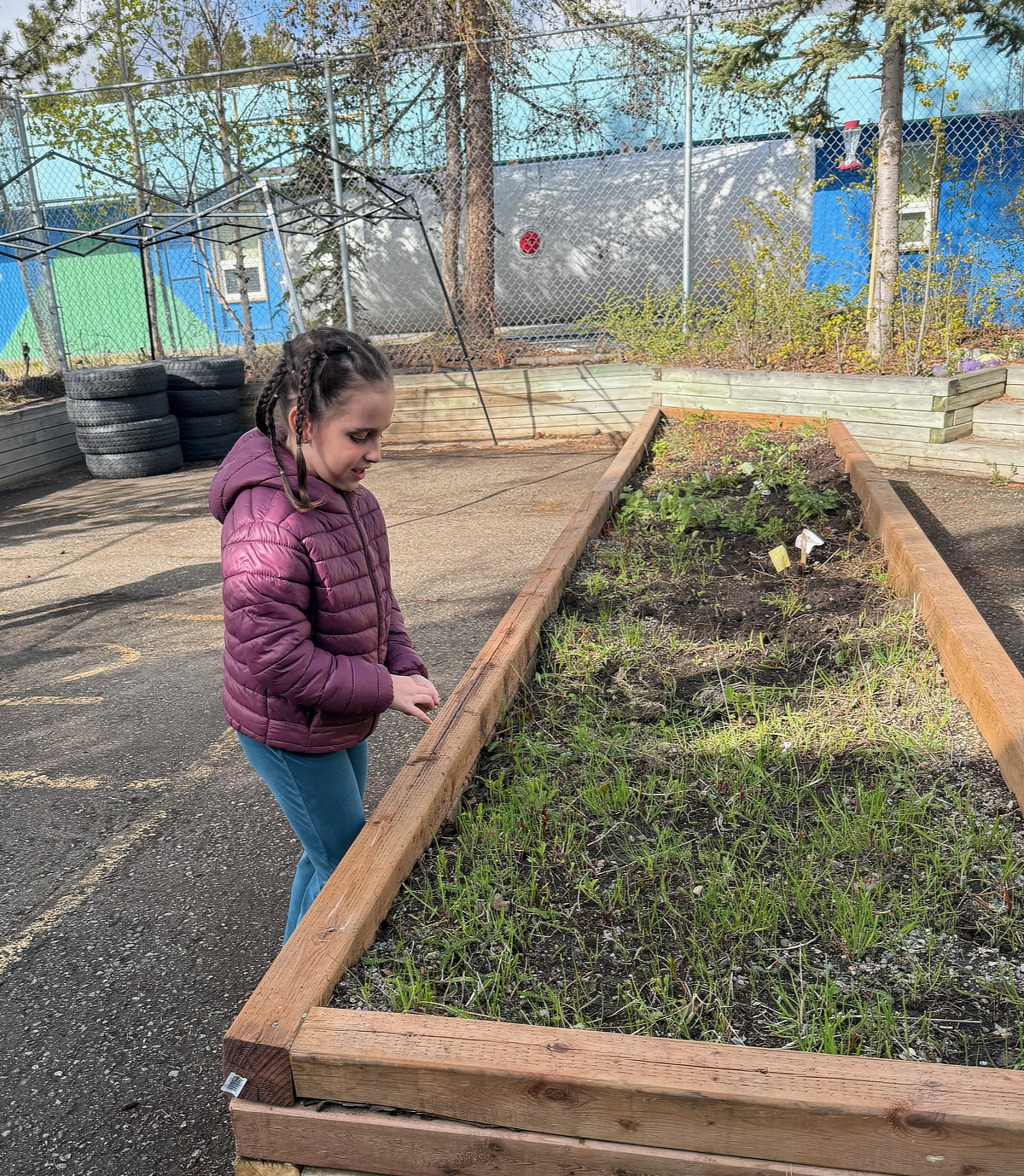
This grant has helped cultivate a renewed sense of community at JHES. As the garden continues to grow, so too does student pride, food literacy, and connection to the land. In time, the harvest may even contribute back to the program through small fundraisers, further strengthening its sustainability.
JHES teacher, Mahshid Hassani, has been a leader in this space. She spearheaded the revitalization of this area and is passionate about the role that gardening can play in learning and development. Ms. Hassani says, “This grant and garden created opportunities for kids to identify healthy foods and build pride around harvesting and sharing what they grow. This has grown their curiosity toward nature and helped them build connections to our environment, local cultures, and each other.”
We are deeply grateful for the impact that this grant has made already on our staff and students, and for what it will help us accomplish in the future.