
Written by Jeff Kiyoshk Ross, Indigenous Programs Manager, Farm to Cafeteria Canada
For me, a land acknowledgement should be more than a statement about who lived here before us. An acknowledgement creates a relationship, and a relationship creates responsibilities. If we receive knowledge, stories, food, medicines, teachings, access to land, or the care of a community, reciprocity asks what we are prepared to return. That return is not a symbolic gift that settles a debt. It is an ongoing practice of consent, respect, care, responsibility and action.
So before we acknowledge the land, I want us to ask not only, “Whose land are we on?” but also: “What relationships make our lives here possible, and what obligations come with living in this place?”
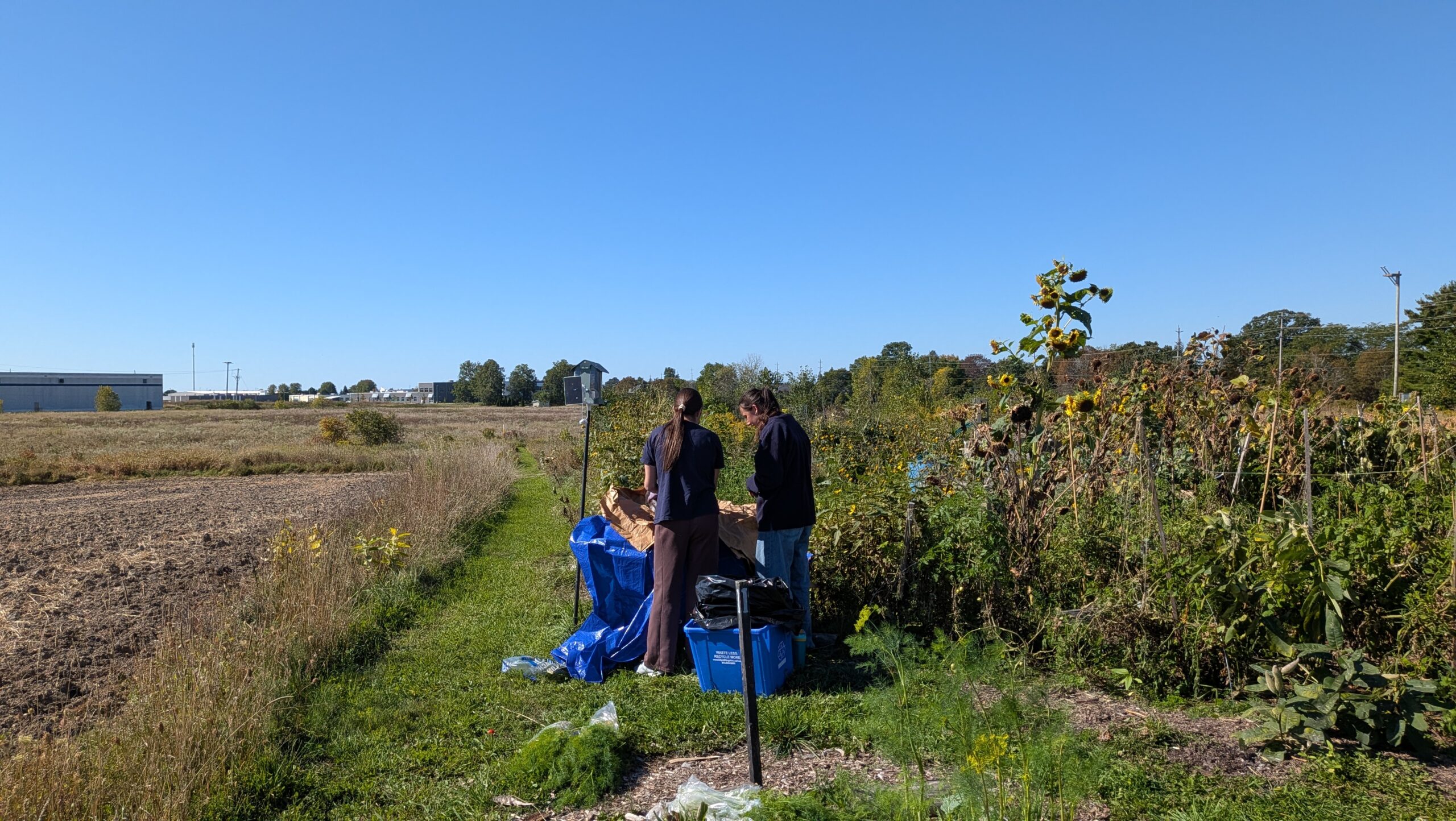
Photo credits: Jeff Kyoshk Ross – All Our Relations Land Trust Katarokwi (Kington)
I want to extend this practice to how we live with our non human kin and our relationships to our foodways. I invite you to join me in this practice this Orange Shirt Day.
Knowing a plant’s name can be a beginning. Knowing where it grows, what lives with it, and when it returns each year may change how you relate to it. And once you know it, a question follows: What responsibility comes with that knowledge?
Potawatomi botanist and writer Robin Wall Kimmerer describes the Honourable Harvest as a way of receiving the gifts of the living world with care. Before taking, we pay attention. We consider what is needed, what must be left, and how we can give back. Her teachings offer a question for food education too: If this food is a gift, what responsibilities come with receiving it?
On Orange Shirt Day, we remember the children who were taken to residential schools, honour Survivors, and recognize the families and communities still living with the consequences. We can also ask what it means to care for the relationships that those schools tried to sever: relationships with family, language, food, land, and one another.
I invite you to take a walk somewhere familiar. It could be a trail, a schoolyard, a garden, or the block around your home. Go slowly enough to notice something you usually pass by.
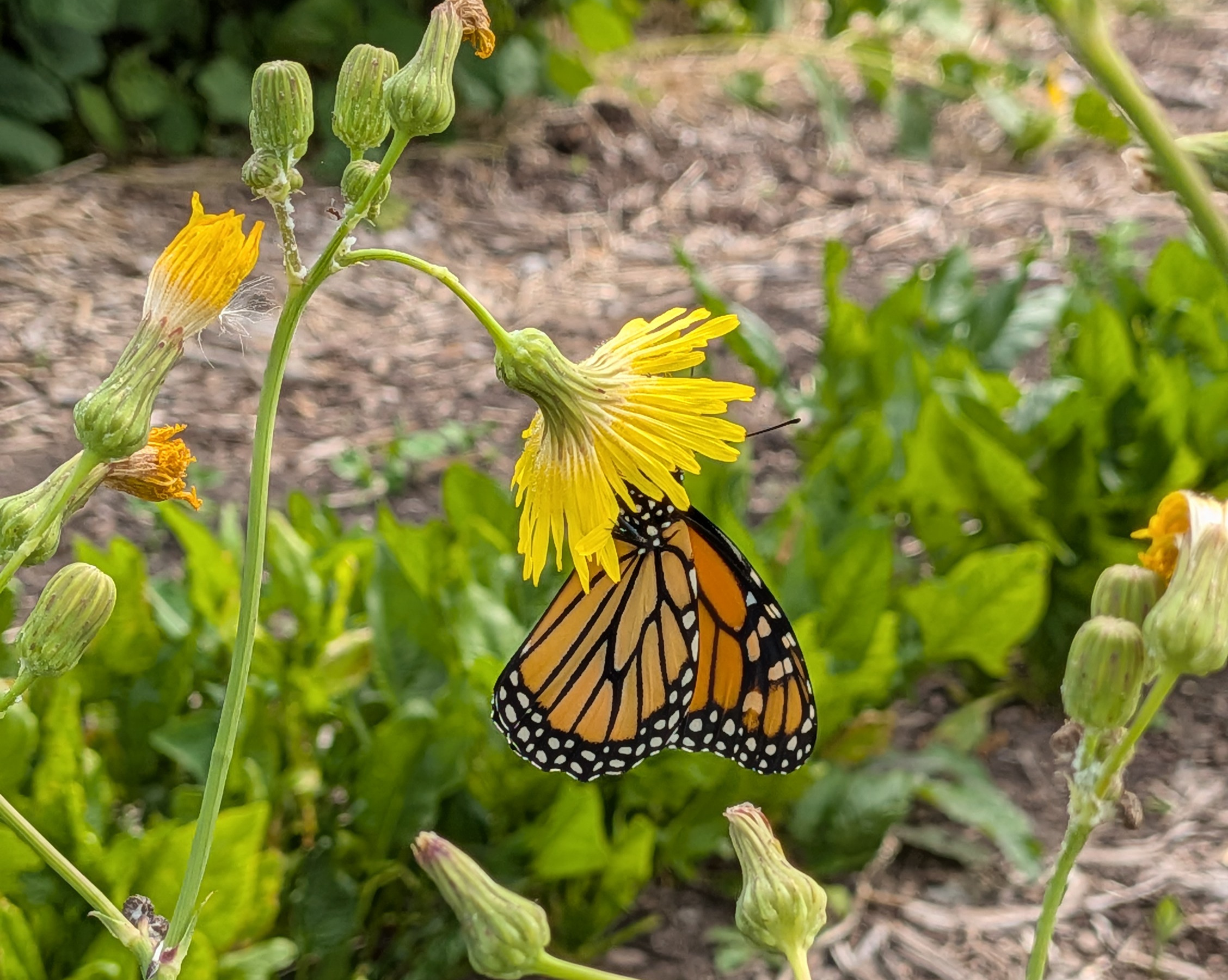
We often photograph a place and move on. What if, for a little while, your Instagram were you in real life? Stay with what is in front of you. Notice how much is happening beyond the frame. What if you were present and removed the lens, the little box in your hand, the feeding of information and listened to what was in front of you? What sings to the plants you see? Crickets, birds, whatever you hear.
I’ve learned that our first teachers were the plants and animals around us. And in that work of growing food and helping others to eat, that also means all the non-human kin who call this place home too, that food is more than nutrients. In order to feed ourselves and the ones we share this planet with we are confronted by the big issues of history and place. And I want to acknowledge the responsibility that we all have and the agency we have to be change makers. No matter how small. On this day I invite you to go outside and start with building those relationships and to acknowledge history and place.
The guidelines for the Honorable Harvest are not written down, or even consistently spoken of as a whole–they are reinforced in small acts of daily life. But if you were to list them, they might look something like this:
- Know the ways of the ones who take care of you, so that you may take care of them.
- Introduce yourself. Be accountable as the one who comes asking for life. Ask permission before taking. Abide by the answer.
- Never take the first. Never take the last. Take only what you need.
- Take only that which is given.
- Never take more than half. Leave some for others. Harvest in a way that minimizes harm.
- Use it respectfully. Never waste what you have taken. Share.
- Give thanks for what you have been given.
- Give a gift, in reciprocity for what you have taken.
See Robin Wall Kimmerer’s video The Honourable Harvest
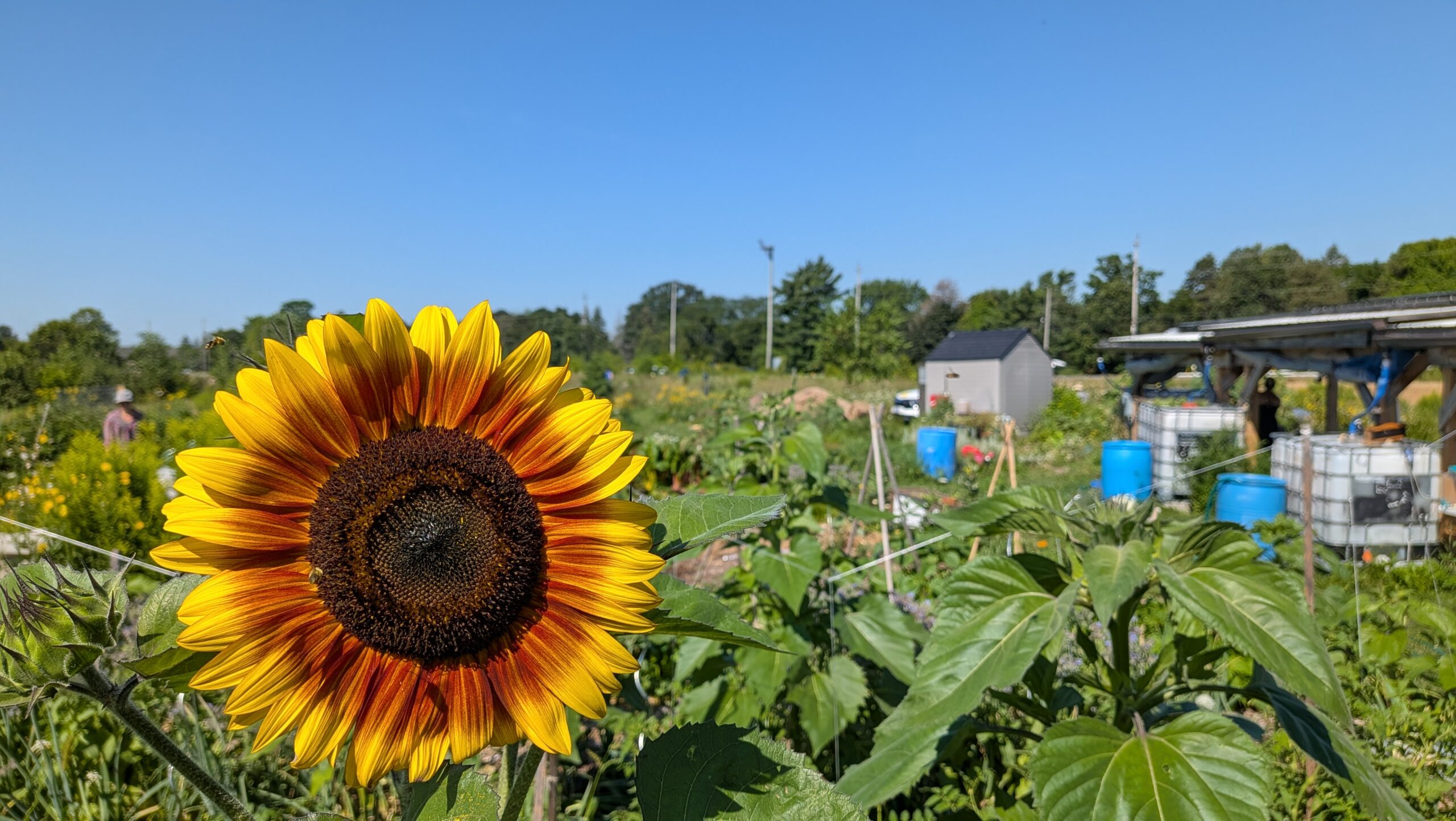
Sustain the ones who sustain you and the earth will last forever.
Don’t be afraid to ask. Don’t be afraid of the answer you’ll get.