

Circular Farm and Food Society: Vancouver Island, North Saanich, BC
Grant term, 2025-2026
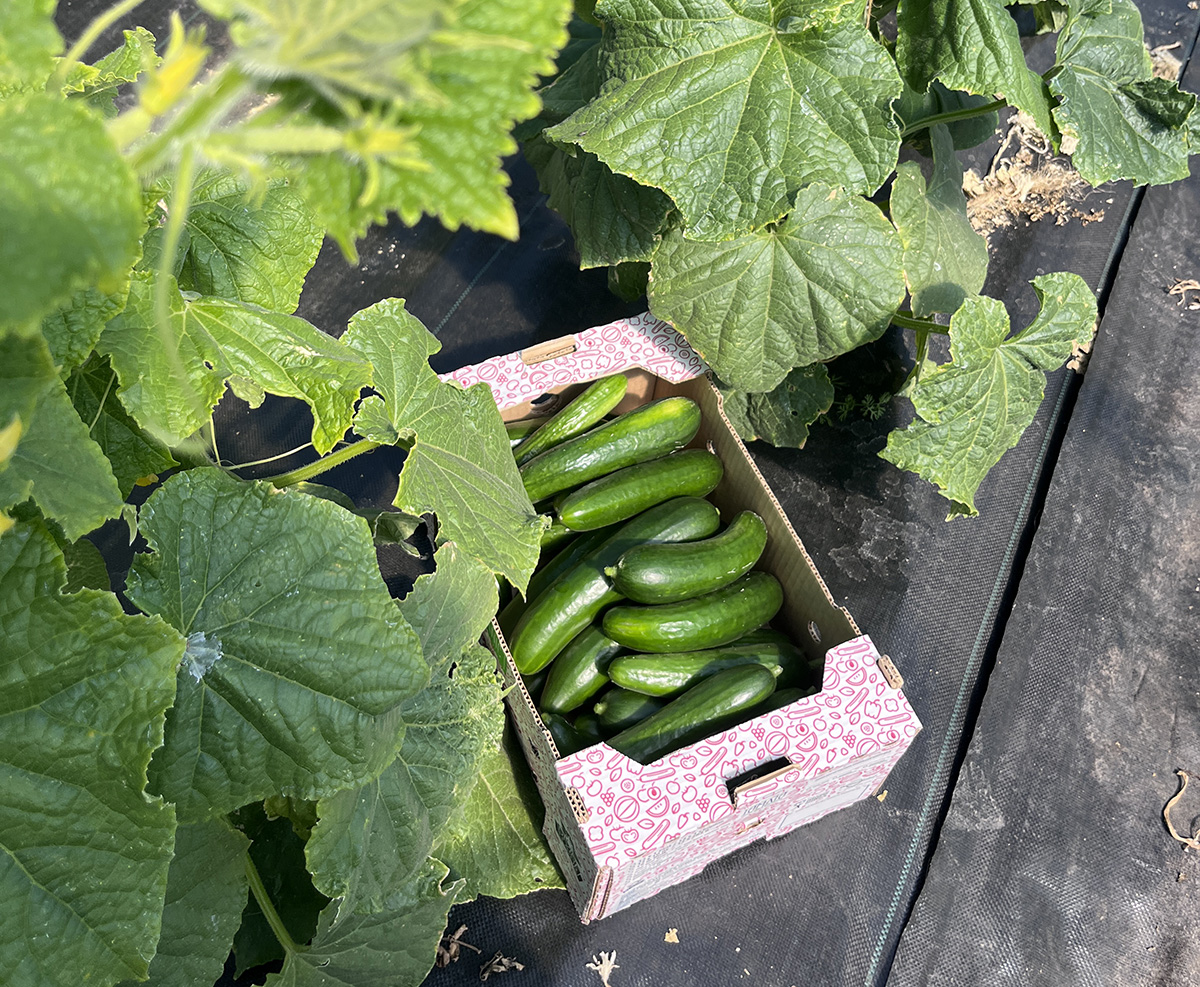
Located in North Saanich on southern Vancouver Island, the Sandown Learning Farm is helping transform how young people connect with food. As an island community that relies heavily on imported food, strengthening local food production and food security is increasingly important. Through support from the School Food Infrastructure Fund (SFIF), Circular Farm and Food Society has been able to grow fresh, spray-free vegetables for school meal programs while creating meaningful opportunities for students to learn where their food comes from.
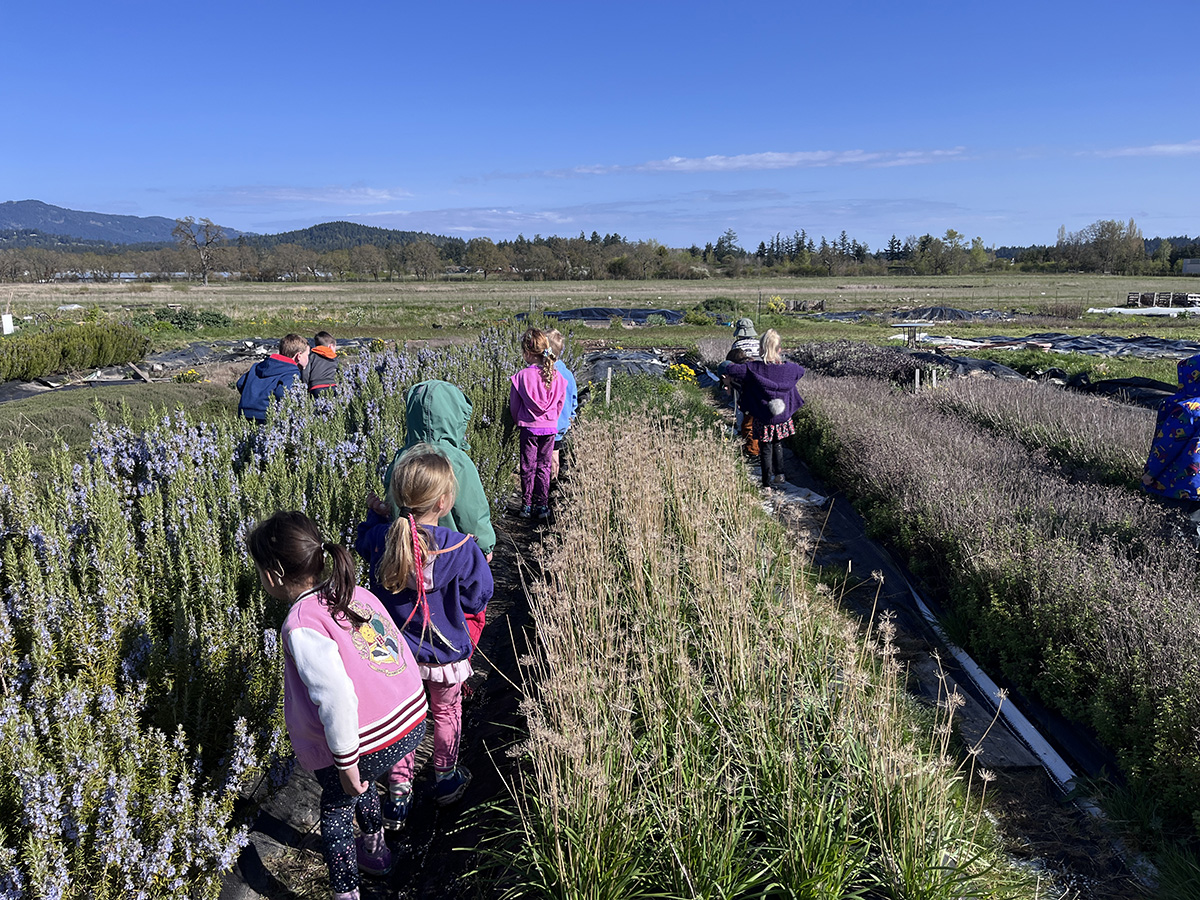
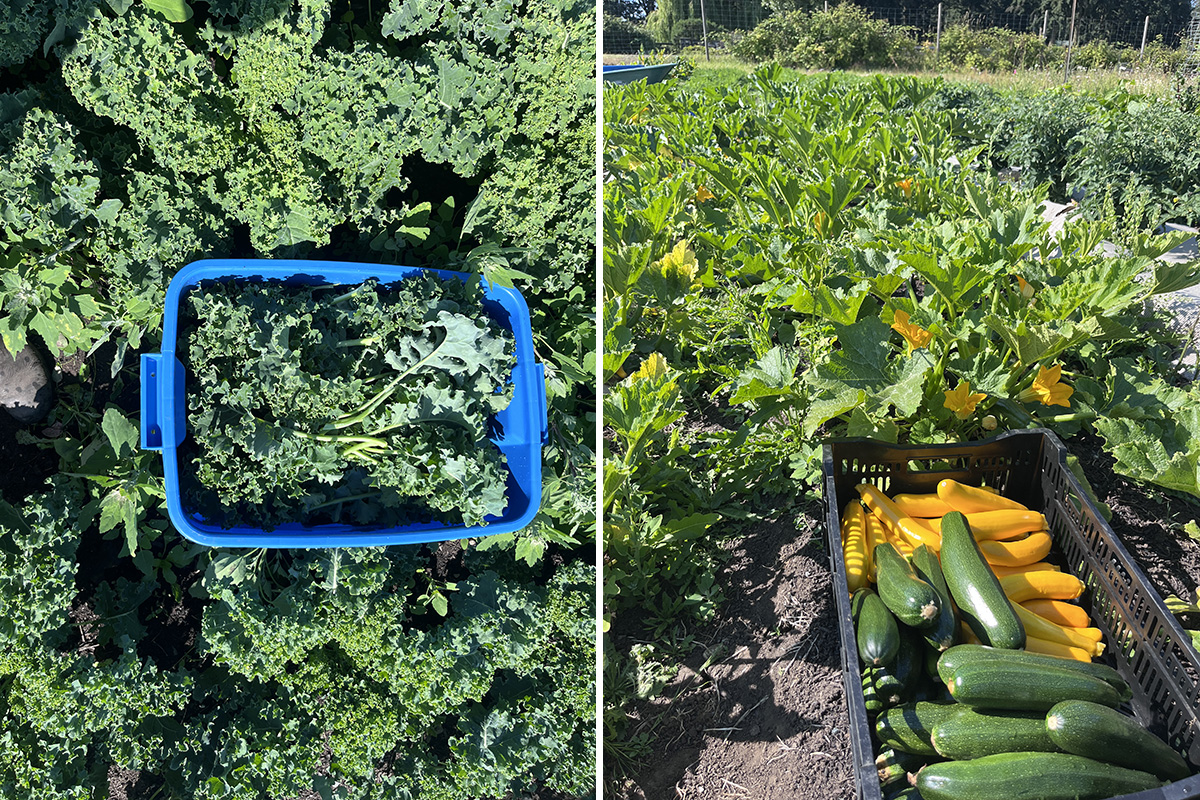
Now in its second growing season, the Sandown Learning Farm is more than a place where food is grown—it’s a living classroom. The farm supplies fresh produce to Flourish! School Food Society, where it is incorporated into school meals and Backpack Buddies food hampers that support students and families across the region. By growing food specifically for local school meal programs, students are able to enjoy vegetables harvested just hours or days before they are served.
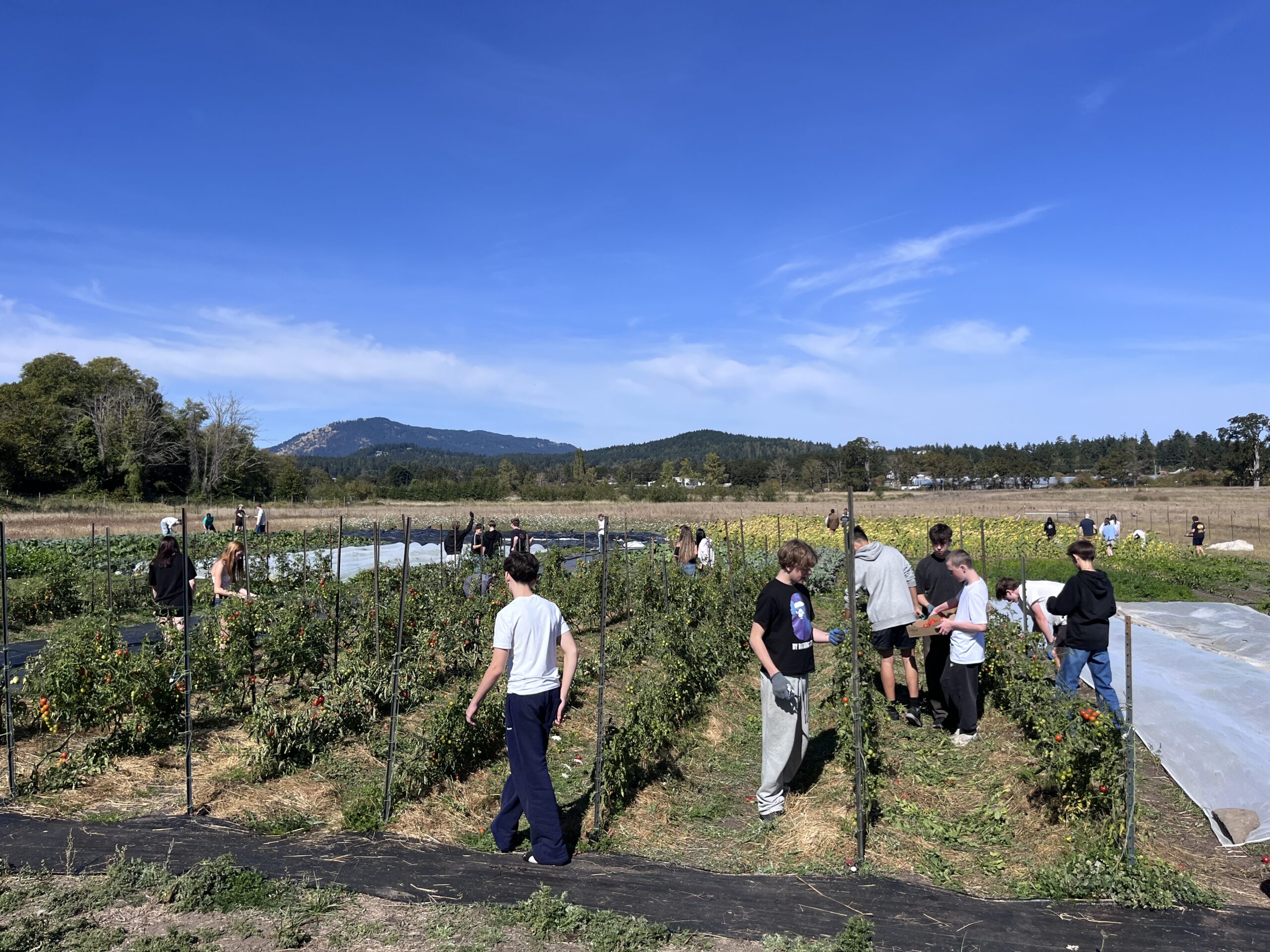
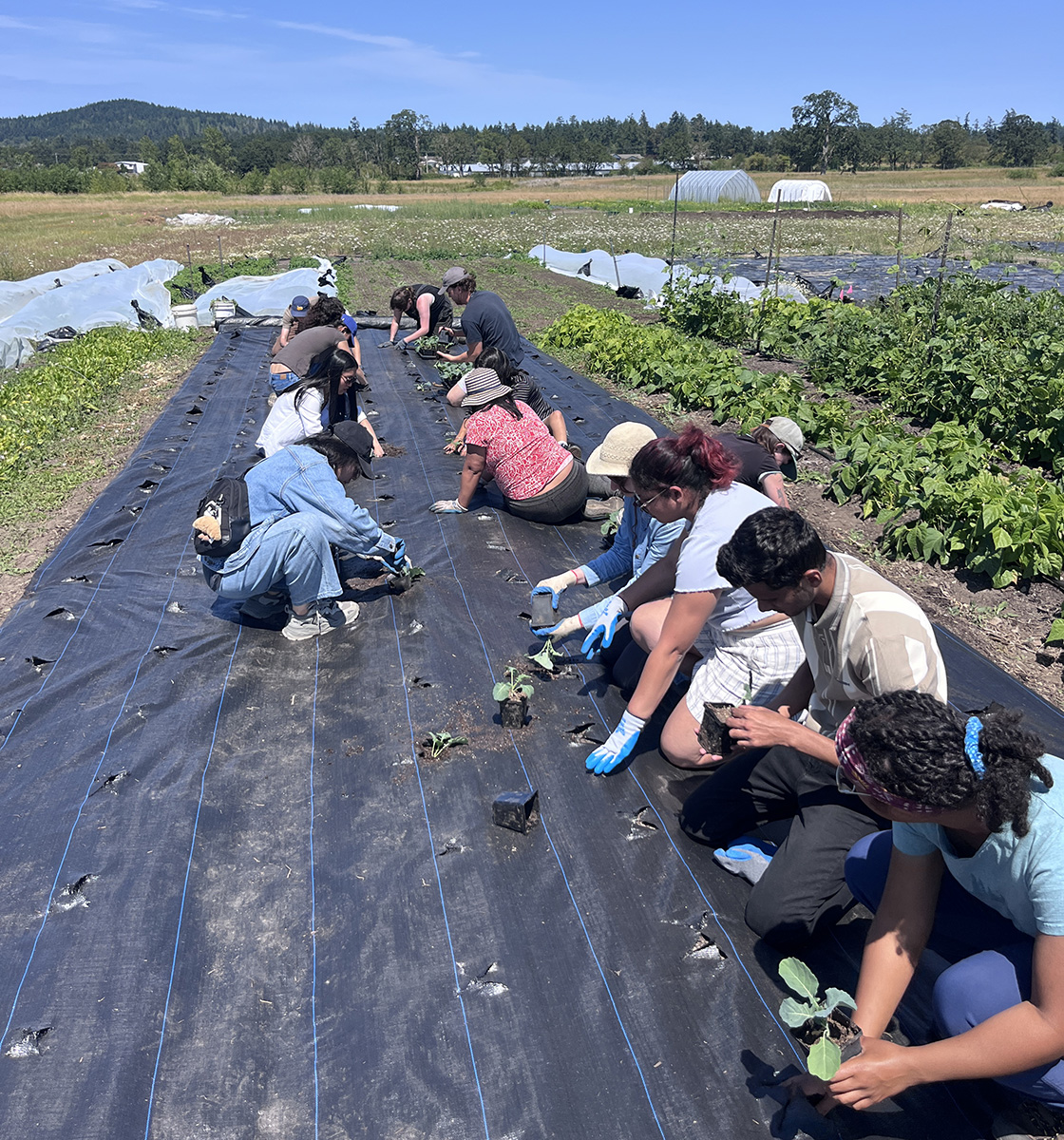
At the same time, students are invited onto the farm to experience food production firsthand. This year, 15 schools have participated in food literacy field trips, with youth planting, harvesting, and tasting vegetables directly from the field. They also learn about how healthy soil, biodiversity, and regenerative farming practices contribute to resilient food systems. These hands-on experiences help students develop practical knowledge, curiosity, and confidence around healthy food while fostering a deeper appreciation for local agriculture.
SFIF funding has been instrumental in expanding both the farm’s food production and educational programming. Infrastructure supported through the grant, including season-extending hoop houses, has allowed the farm to better align crop production with the school calendar and grow nutritious, culturally relevant vegetables when schools need them most. This has strengthened the reliability of fresh local produce for school meal programs while increasing opportunities for students to engage with food production throughout the school year.
A unique aspect of the program is that the farm also serves as a training ground for the next generation of farmers. Young and new farmers gain experience producing food using regenerative practices while developing the skills to lead educational programming for visiting students. This creates a powerful cycle where emerging farmers help inspire the next generation of food system leaders.
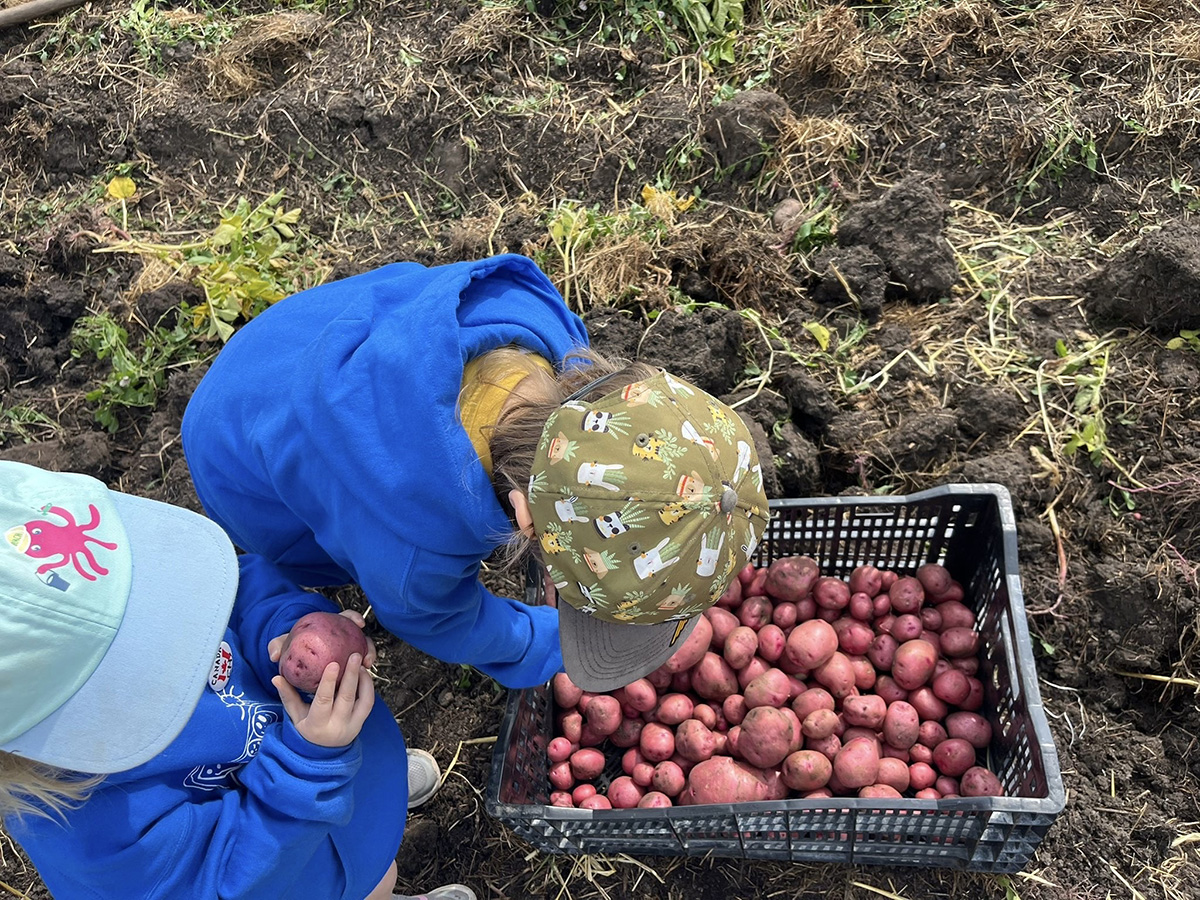
As one teacher shared after visiting the farm, “The students were engaged from the moment we arrived. Harvesting vegetables and tasting them right from the field was something many had never experienced before, and they left asking thoughtful questions about where their food comes from and wanting to eat more vegetables.”
By connecting local food production, school meal programs, and hands-on education, the Sandown Learning Farm is demonstrating how school food infrastructure can do more than feed students—it can strengthen local agriculture, support community resilience, and inspire a lifelong connection to healthy, sustainable food systems.