
Victoria provided an introduction to how hydroponic systems work (growing plants in a nutrient-rich water solution instead of soil), walked through the “4 S benefits” of indoor hydroponics: sustainability, security, safety, and stability, and compared different types of systems available, from small classroom setups to larger commercial units, to help schools find the right fit.
The Lord Strathcona project brought local community members into the school for plant sales, and grew Indigenous plants like sage and yarrow in collaboration with the school’s Indigenous enhancement team, both to plant in the school’s outdoor garden and to gift to students and families.
Spring seedling sales are a natural fit for schools — hydroponic systems allow you to grow large numbers of uniform, healthy seedlings in a small space in just five to six weeks, and seedlings are often in demand from families and community members alike. Flowers and herbs were highlighted as easy, popular, and affordable starting points. Check out a planting chart for your region to find what would work well for your climate.
Victoria introduced their free, practical guide, informed by a school fundraising project at Lord Strathcona Elementary in Vancouver, BC. Teachers Jack and Amanda led students from kindergarten to grade 7 through the entire process — growing over 800 transplants across two spring plant sale cycles, raising over $1,300 for their school in their first season. The guide walks you through every step, from crop selection and timing to pricing and promotion.
Download the Guide Here
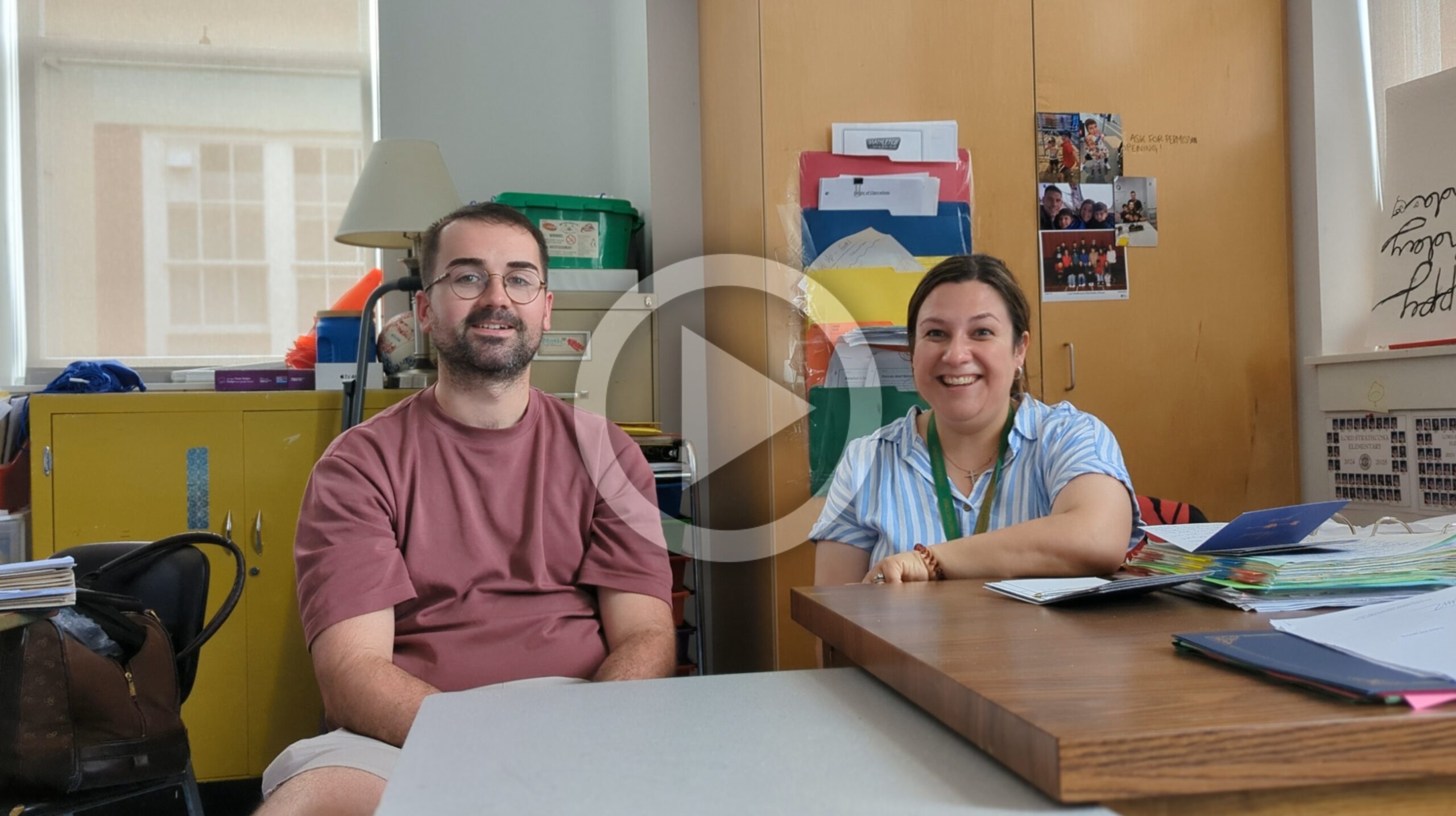
Learn more about Lord Strathcona Elementary’s experience fundraising with hydroponics.
Schools can also grow fresh leafy greens, herbs, microgreens, and lettuce year-round, both for school programs and as ongoing fundraising opportunities.
The session wrapped up with a lively Q&A covering common questions like managing systems over school breaks, cleaning and maintenance, nutrient top-ups, pH monitoring, and startup costs.
 Les Verts Living is a Canadian company — with roots in both BC and Manitoba — on a mission to empower anyone, anywhere, to grow fresh, quality food for their family, friends, and local communities. Their professional indoor hydroponic garden systems are designed to be accessible and easy to use, and are already being used in schools, community centres, senior living facilities, and community gardens across Canada.
Farm to Cafeteria Canada partnered with Les Verts Living for this webinar because of our shared commitment to getting more fresh, healthy food into schools and school communities — and because hydroponics represents a growing area of interest among the school food champions we work with. We were excited to bring their practical expertise and real-world school experience directly to our community.
Our guest speaker in this webinar was Victoria Leung, the Chief Marketing Officer at Les Verts Living. Victoria brings a background in commercializing innovative agricultural technologies, and is driven by a passion for building more sustainable food systems — making her a natural fit to speak to both the practical and broader potential of hydroponics in schools. To learn more about Les Verts Living and their work in schools, visit lesverts.com, get in touch at hello@lesverts.com, or sign up for their Grant Newsletter.