

St. Catherine’s Academy, Mount Carmel, NL
Grant term, 2024-2025
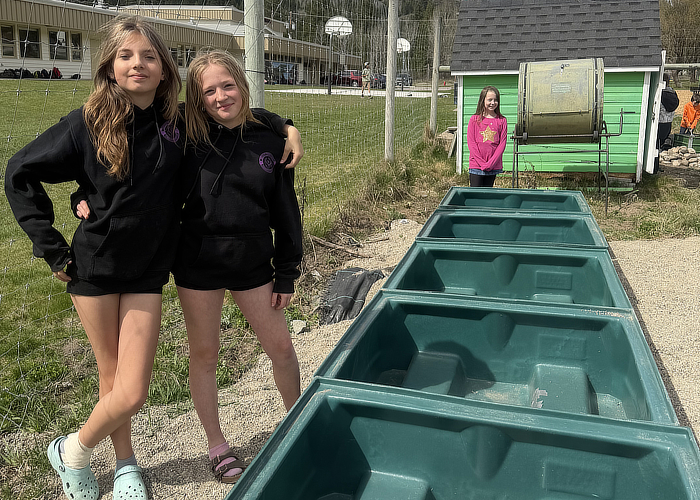
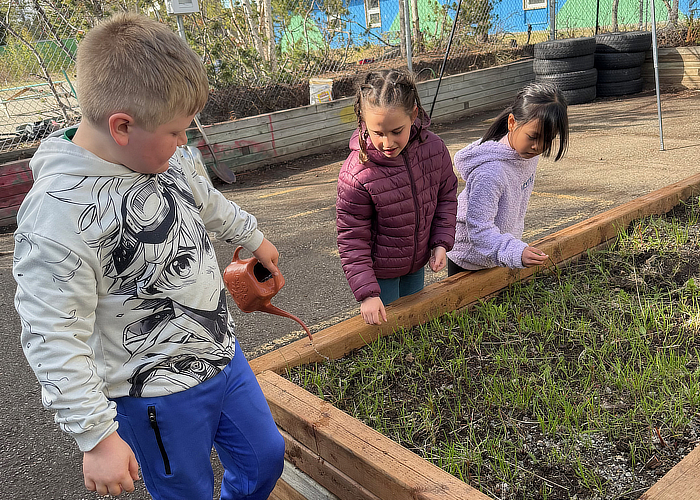
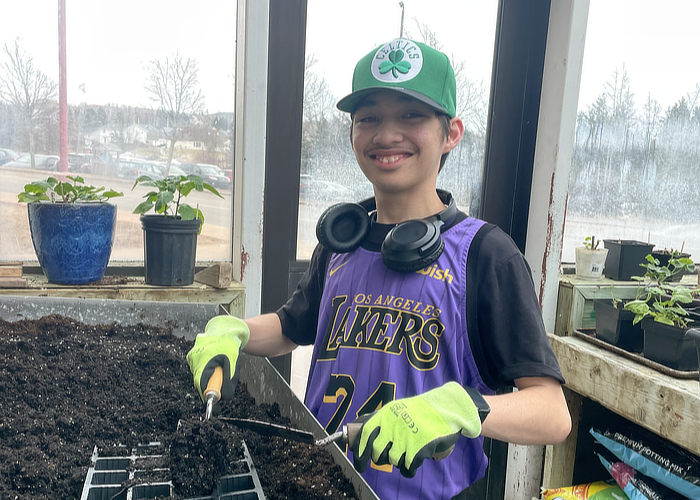
The Seed Grant has helped transform learning opportunities within our school by supporting the development of our school garden, composting program, and vermicomposting initiative. The project was designed to provide students with hands-on learning experiences that connect science, environmental stewardship, sustainability, and food production. Students are actively involved in planting, maintaining garden beds, monitoring compost systems, and learning how food waste can be diverted from landfills and turned into nutrient-rich soil.
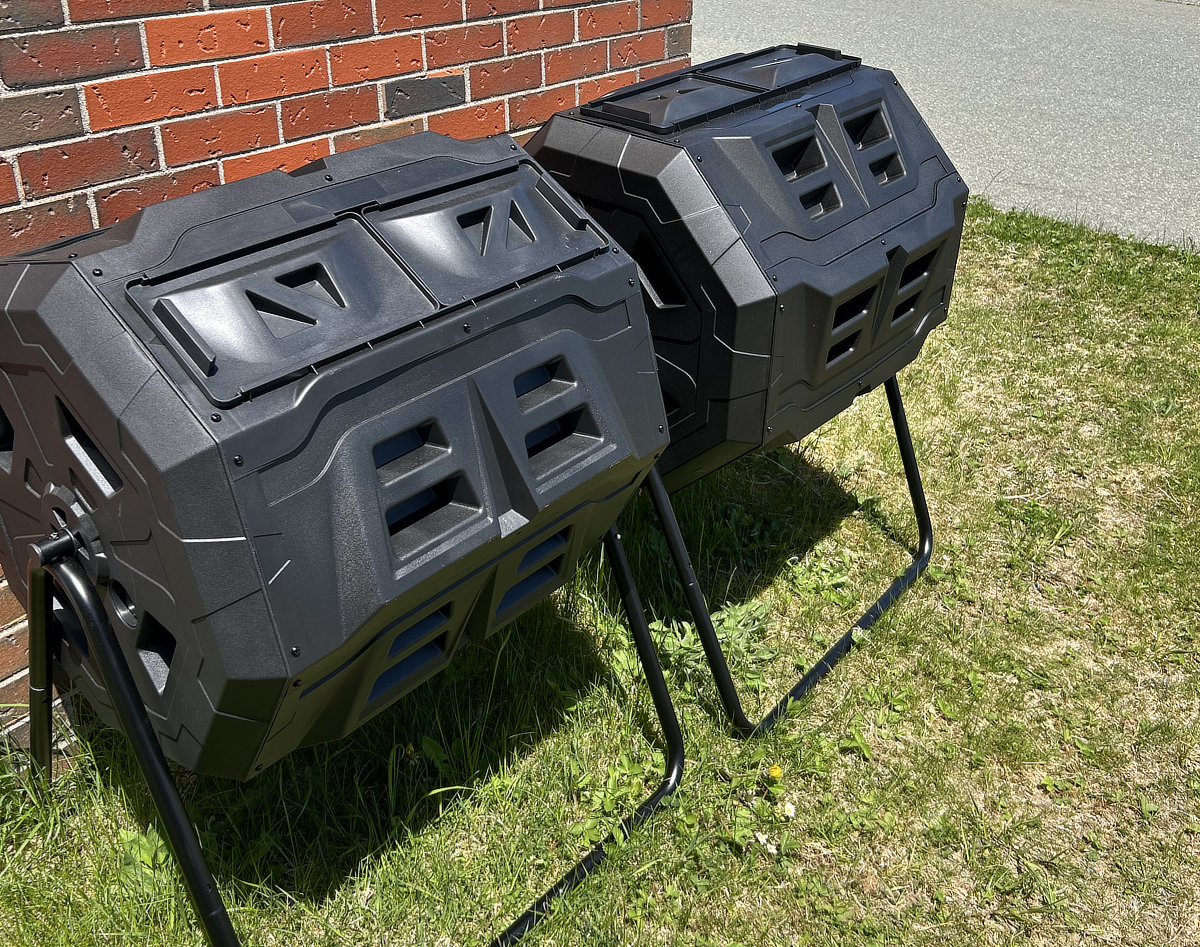
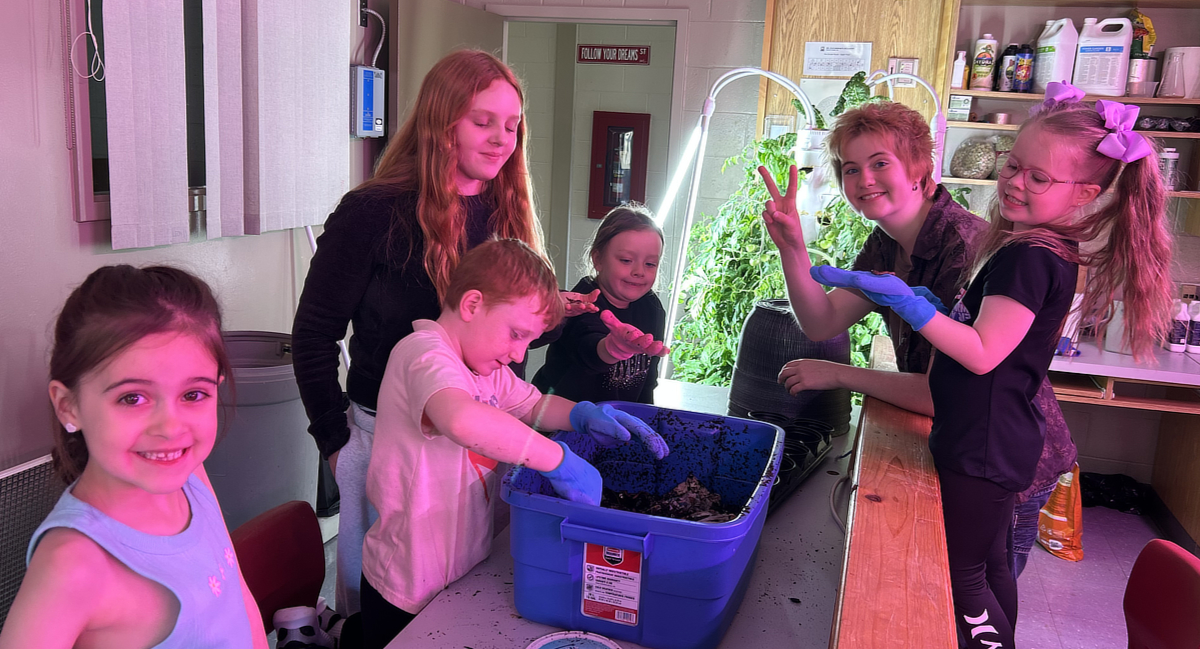
One of the key features of Our Garden Project is the introduction of composting and vermicomposting systems that allow students to observe natural decomposition processes firsthand. Students from various grade levels participate in collecting compostable materials, caring for compost bins, and monitoring worm composting systems. These activities provide meaningful connections to curriculum outcomes while encouraging responsibility, teamwork, and environmental awareness.
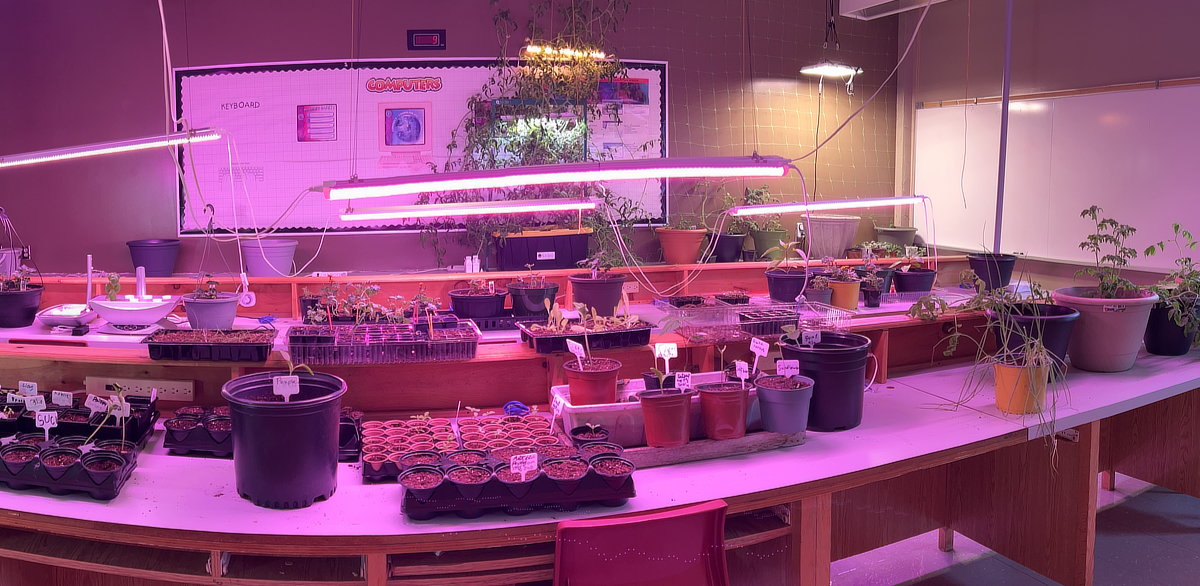
The garden and composting project has also created opportunities for cross-grade collaboration. Older students have taken on leadership roles by helping younger students learn about gardening, composting, and sustainable practices. This has strengthened relationships throughout the school while creating a shared sense of ownership and pride in the project.
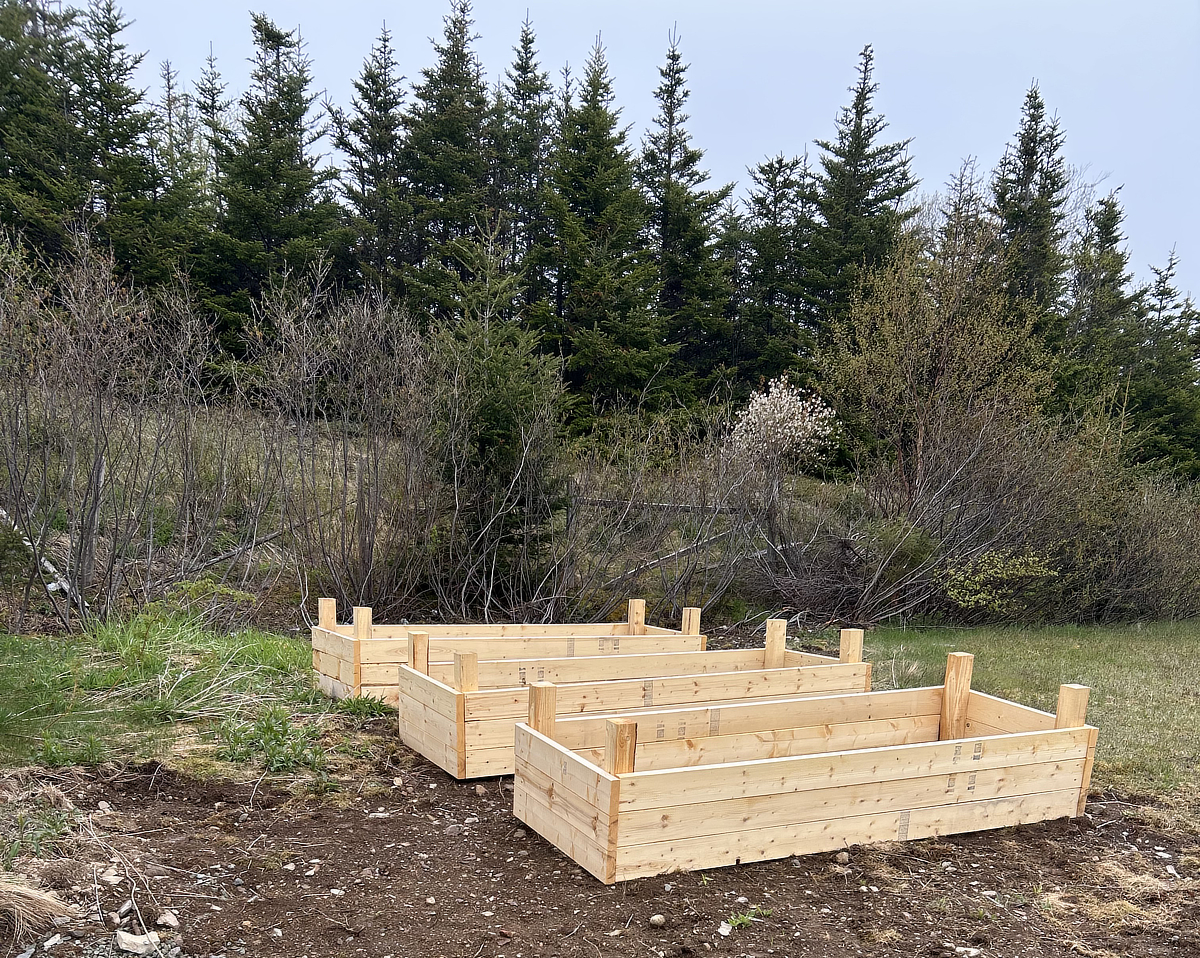
Beyond academic learning, the project has encouraged students to think about environmental issues and how small actions can make a positive difference in their community. Students are learning practical skills that can be applied at home and in the future, helping to build lifelong habits related to sustainability and responsible environmental stewardship.
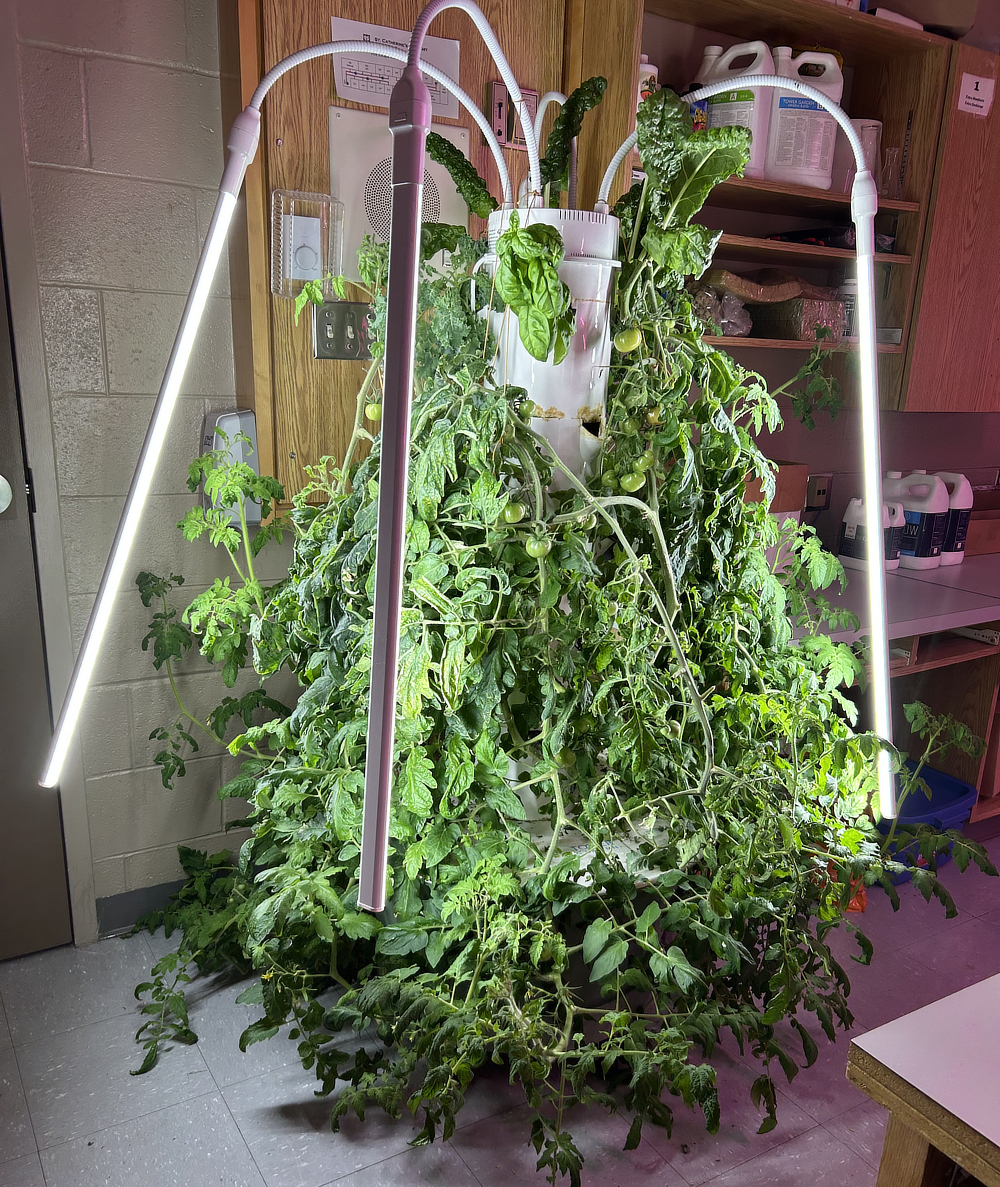
The impact of the Seed Grant can be seen in the enthusiasm students bring to the project. Many students who may not typically excel in traditional classroom settings have found success and confidence through hands-on learning experiences in the garden and composting program.
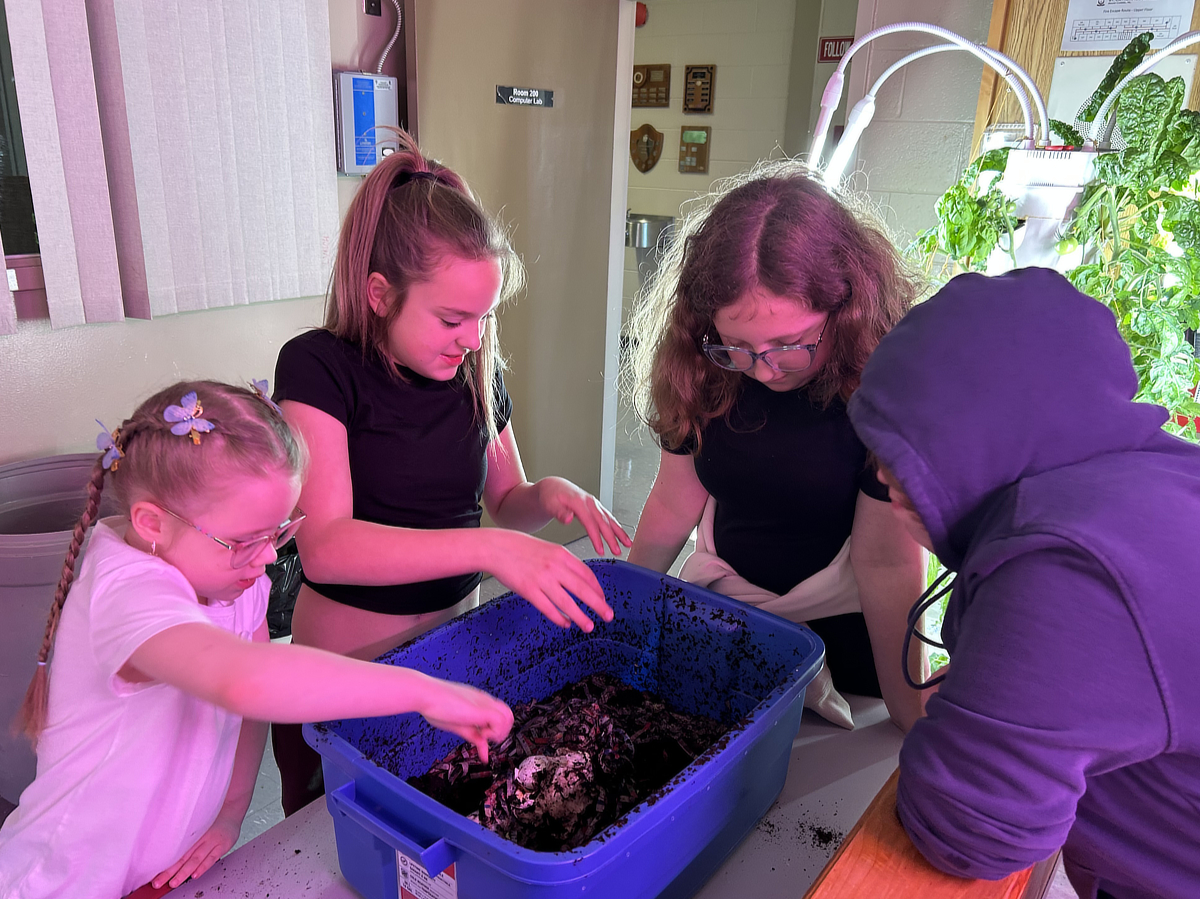
As one student shared, “Miss look, I think it needs a bigger container today.” The kids are gaining so much knowledge about growing food and the full circle from soil to table.
The Seed Grant has provided our school with valuable resources that would have otherwise been difficult to access. It has enriched student learning, strengthened school-wide collaboration, and created a lasting project that will continue benefiting students for years to come. We are grateful for the opportunity to provide engaging, real-world learning experiences that inspire curiosity, responsibility, and a deeper connection to the environment.