


For the first session on Building Your Team (October 2024), Scott highlighted the importance of having the right people rooted in relational leadership roles, such as the school food champion, principal, and superintendent.

In the second session, Operational Planning, Scott explained the difference between strategic and operational plans. Explaining that strategic plans are broad, high-level documents with long-term objectives (3-5 years), while operational plans are more detailed, aligned with the mission and vision, and are done yearly with budget requests.

In Session Three, Implementation Models for School Food Programs, Scott discussed various ways to deliver school food programs. The decentralized model consists of site-specific programs, where the schools are primarily responsible. The semi-decentralized model emphasizes regional coordination with local delivery.

During the session on Universal Programs, Scott went over the implementation and growth in a universal school food program, emphasizing the need to address food security and meet basic student needs.

This session, Initiating a Program, focused on the challenges and successes of implementing school food programs.

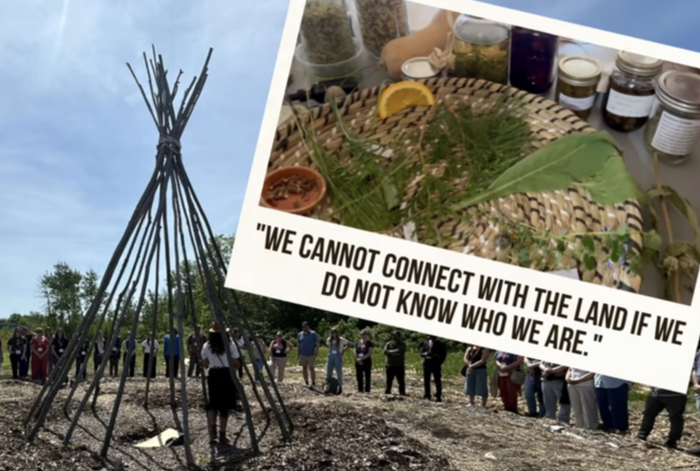
For our session on Cultural Considerations, the discussion centred on how school food programs can better reflect and respect students’ diverse cultural backgrounds.