

Alert Bay Elementary School, Alert Bay, BC
Grant term, 2024-2026
 Alert Bay has one grocery store, where fresh produce is expensive and selection is limited. Many of our students come from low-income and single-parent households, making it difficult for families to regularly purchase fruits and vegetables, especially when children are unfamiliar with them or hesitant to try them. As a result, many students have had limited opportunities to develop a taste for fresh greens and healthy foods.
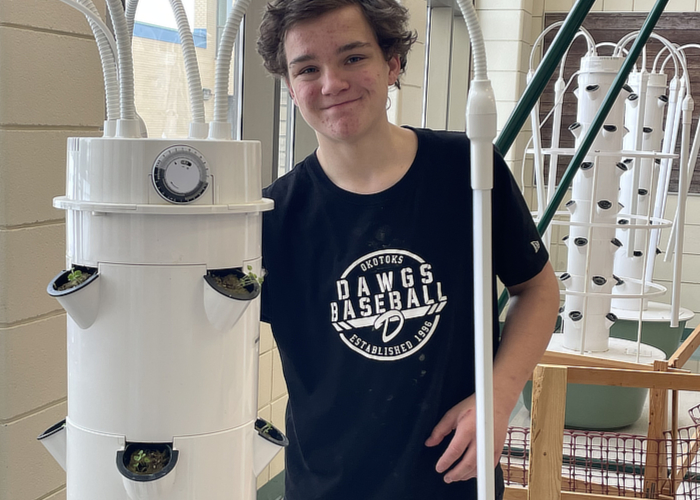
The Farm to School Canada grant has had a meaningful impact on our school community by increasing students’ access to fresh produce while also strengthening their understanding of local food systems and traditional harvesting practices. The grant funded the purchase of a hydroponic grow station and the supplies needed to operate it for two years. Through this project, students have been able to see food growing in their own school, learn where fresh produce comes from, and regularly taste greens and vegetables they may not otherwise encounter at home.
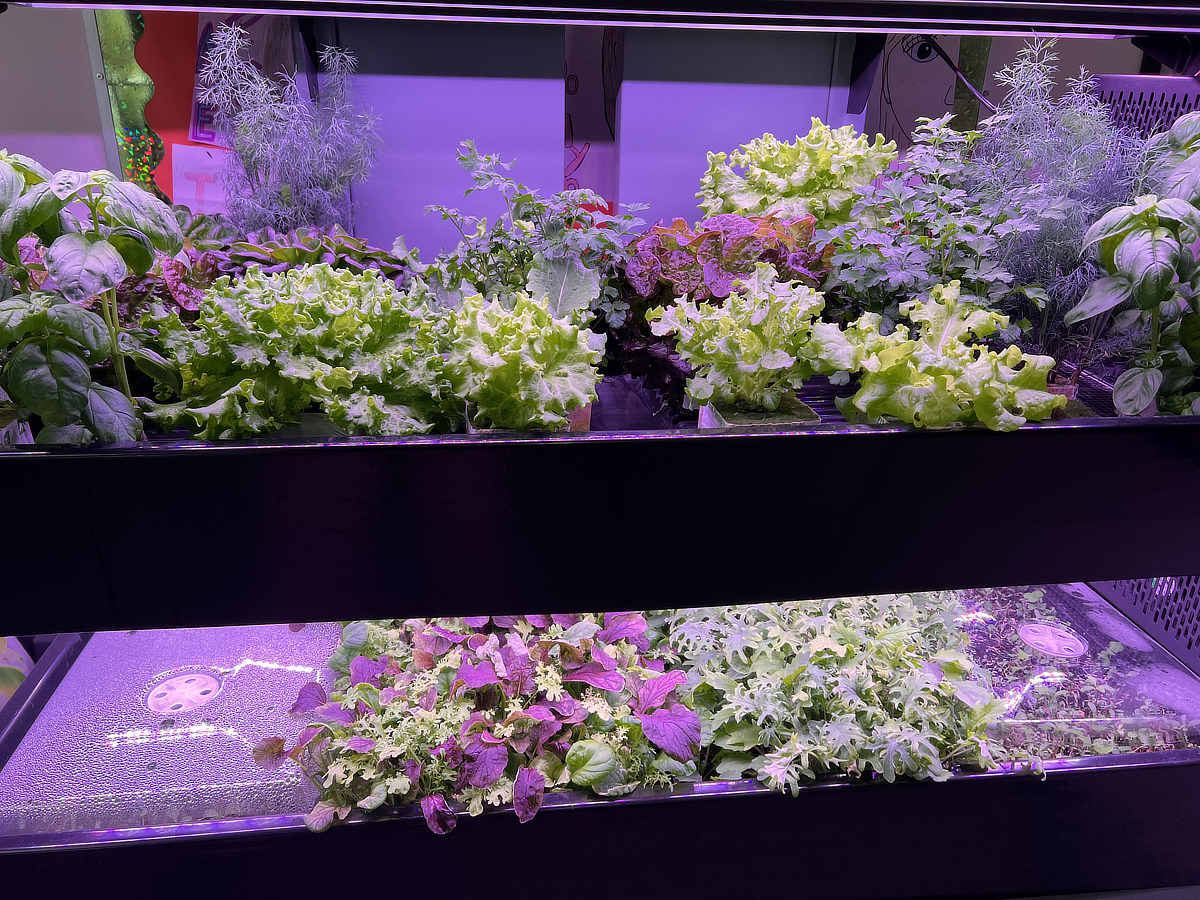
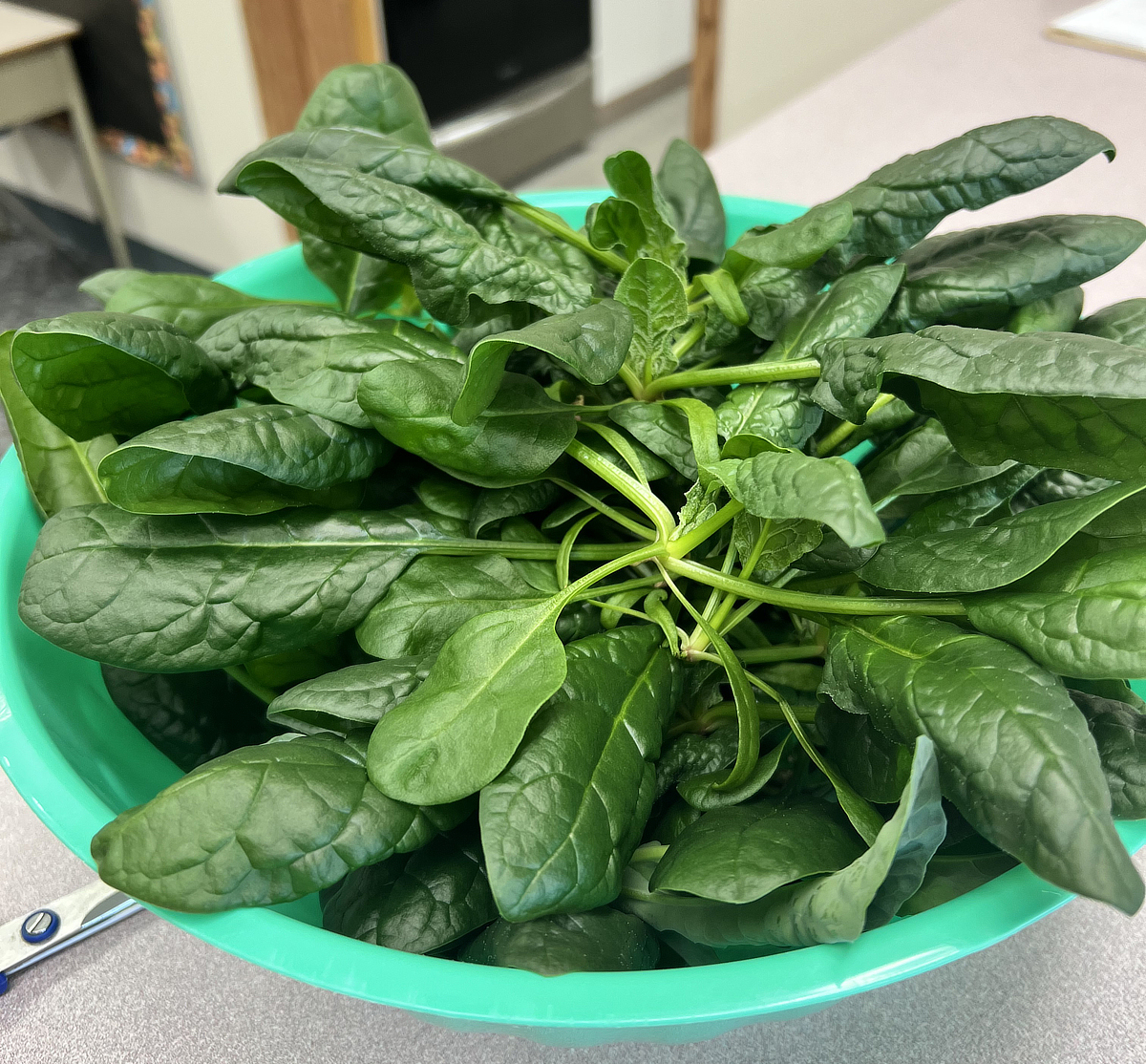
During the first year of the project, the teacher who applied for the grant successfully grew several crops of leafy greens with students. Together they prepared wraps and salads that students enjoyed as part of the school meal program. Many of those students moved on to Grade 8 this year, and we felt the absence of both the students and the teacher who originally led the project.
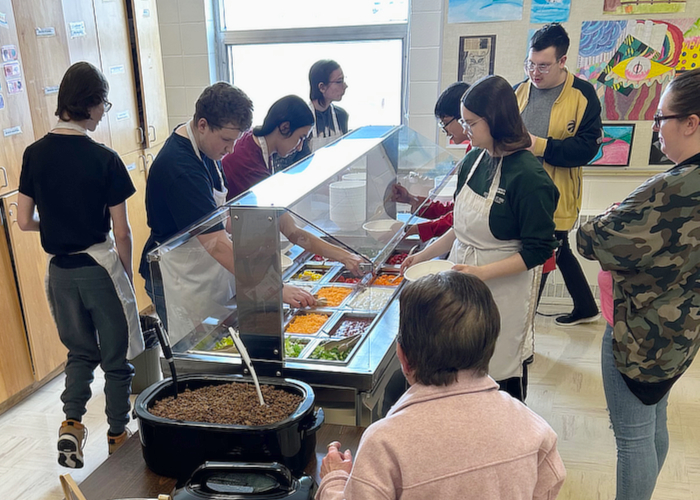
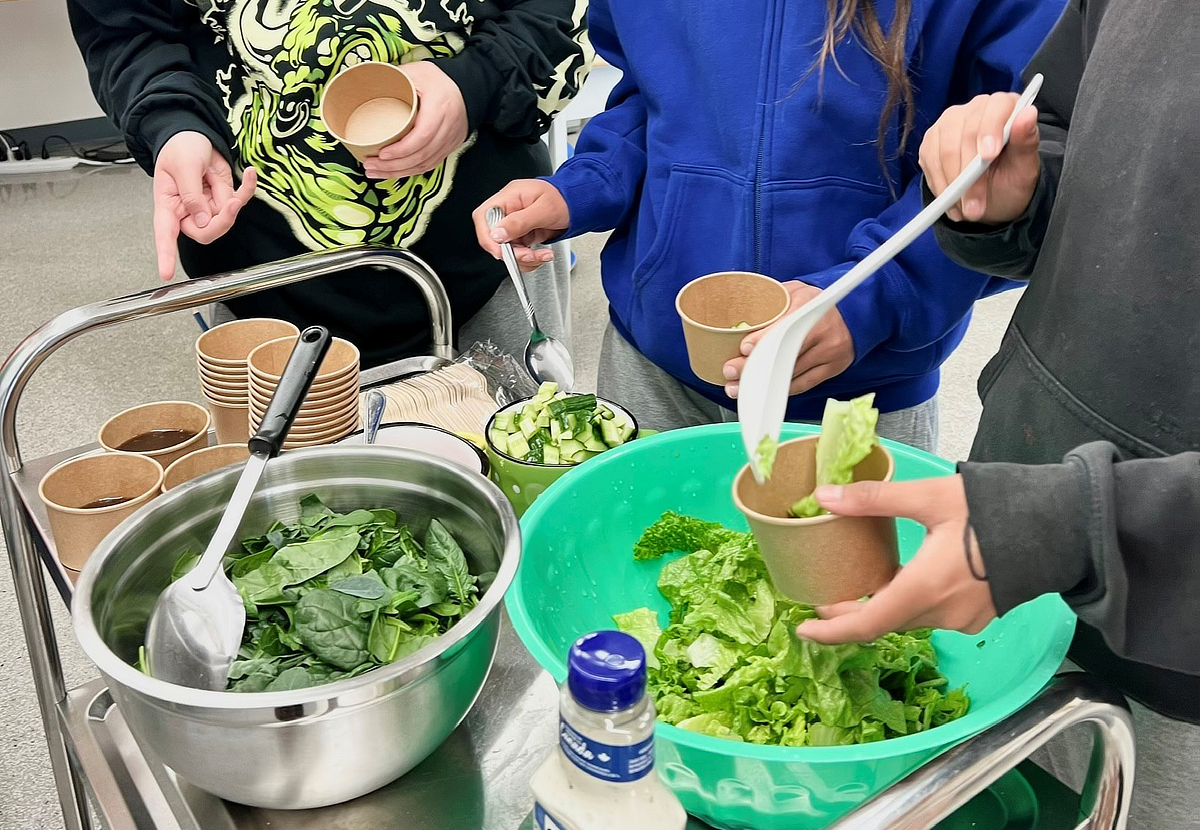
When that teacher left our school at the end of last year, continuing the project became a challenge. Staff had to take on the responsibility of restarting and maintaining the grow station in addition to their regular duties. The success of the project this year would not have been possible without the support of community member Renea, the mother of one of our students. Renea works for a local hydroponic garden initiative that has recently begun providing fresh produce to the community. She volunteered her own time to help get our grow station running again, bringing seedlings to start the next crop and sharing her knowledge with staff and students. Thanks to her support, our first crop was ready quickly, and we were able to bring back our weekly salad bar program. Renea later returned to clean the grow station and prepare the next planting cycle, helping ensure the project could continue throughout the year.
Students have also been learning about local food harvesting and traditional knowledge connected to the surrounding waters and lands. Our school welcomed a local Elder and fisherman who taught students about traditional fishing methods and harvesting practices. Using maps of the local archipelago, he shared knowledge about fishing areas, harvesting sites, and former village locations, helping students connect food harvesting to place, history, and culture. In May, the entire school travelled by boat to watch fishing in action and visit an old village site. The experience gave students a deeper understanding of local food systems and the long-standing relationship between the community and the ocean. Our guest also generously donated fish to the school.
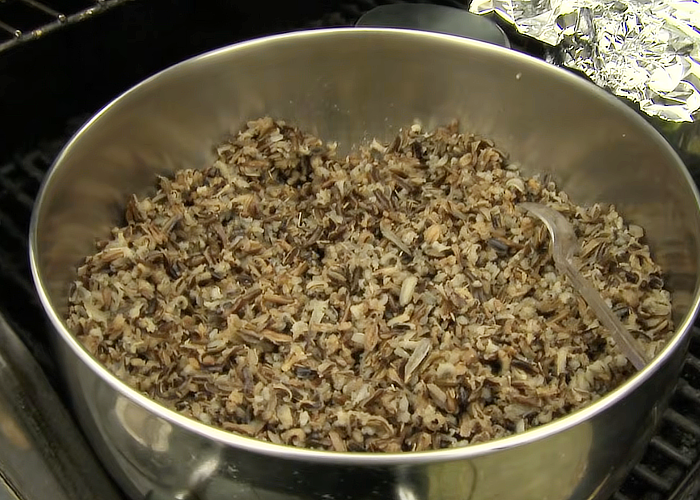
In addition to the hydroponic project, our school was generously provided with salmon by the ‘Namgis First Nation. Students and staff prepared and served the salmon to the wider community during our Annual Salmon Feast, and for weekly meal programming in the fall and winter These shared meals brought students, families, and community members together while reinforcing the importance of local and traditional foods.
One student shared, “The salad bar was good. Healthy.” The project has helped students gain confidence trying healthy foods, strengthened community connections, and increased access to fresh produce in a remote community where that access is often limited.