École Secondaire de Clare, Meteghan River, NS
Grant term, 2024-2025
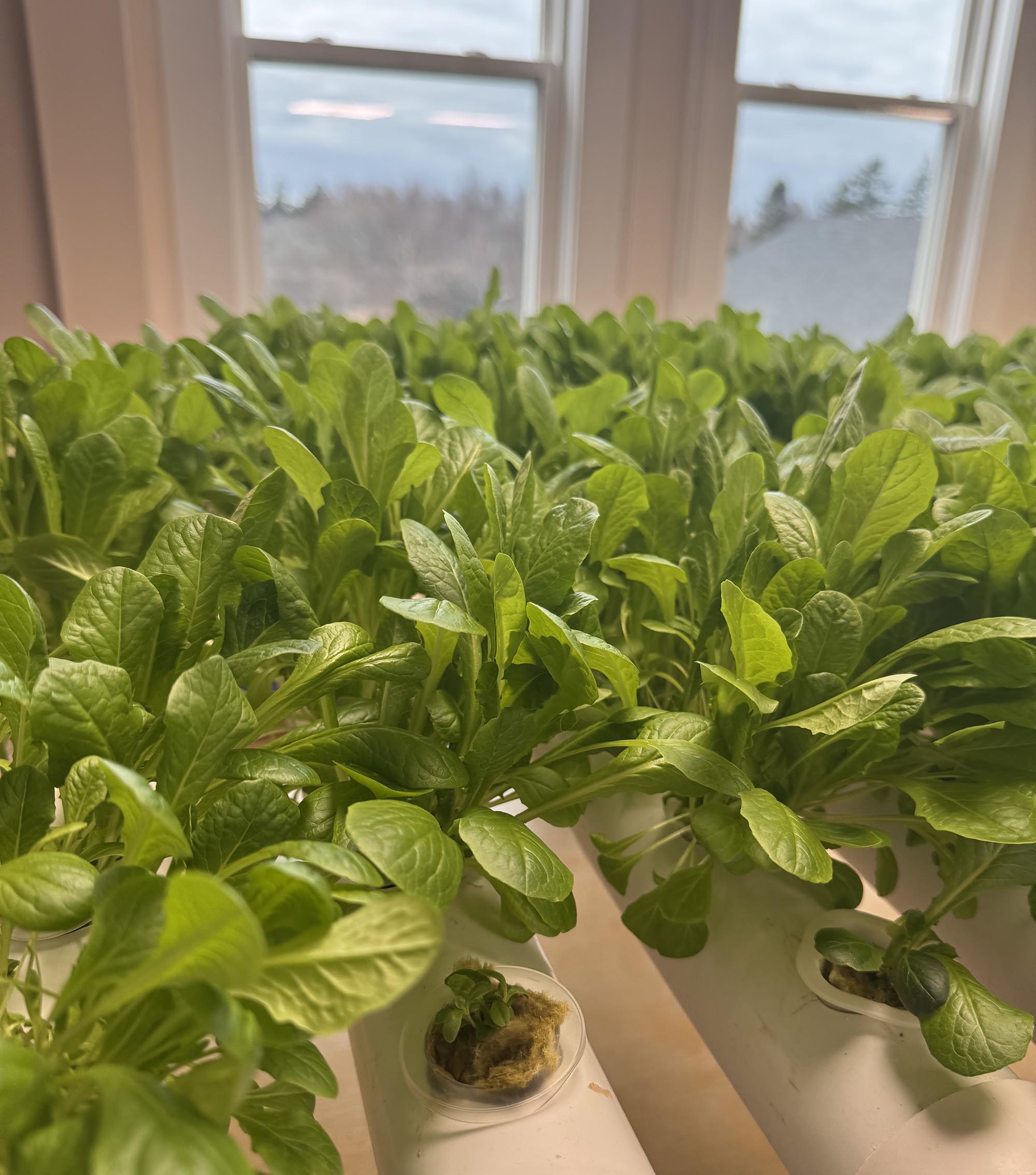
École secondaire de Clare is a rural Francophone high school located in Nova Scotia, serving approximately 250 students from grades 7 through 12. Nestled in the Acadian region of Clare, our school is deeply rooted in cultural pride, community values, and environmental stewardship. In 2024–2025, with the support of the Farm to Cafeteria Canada grant, we launched our first indoor vegetable and herb grow room, a project that has brought excitement, curiosity, and a renewed connection to food and health into our school building.
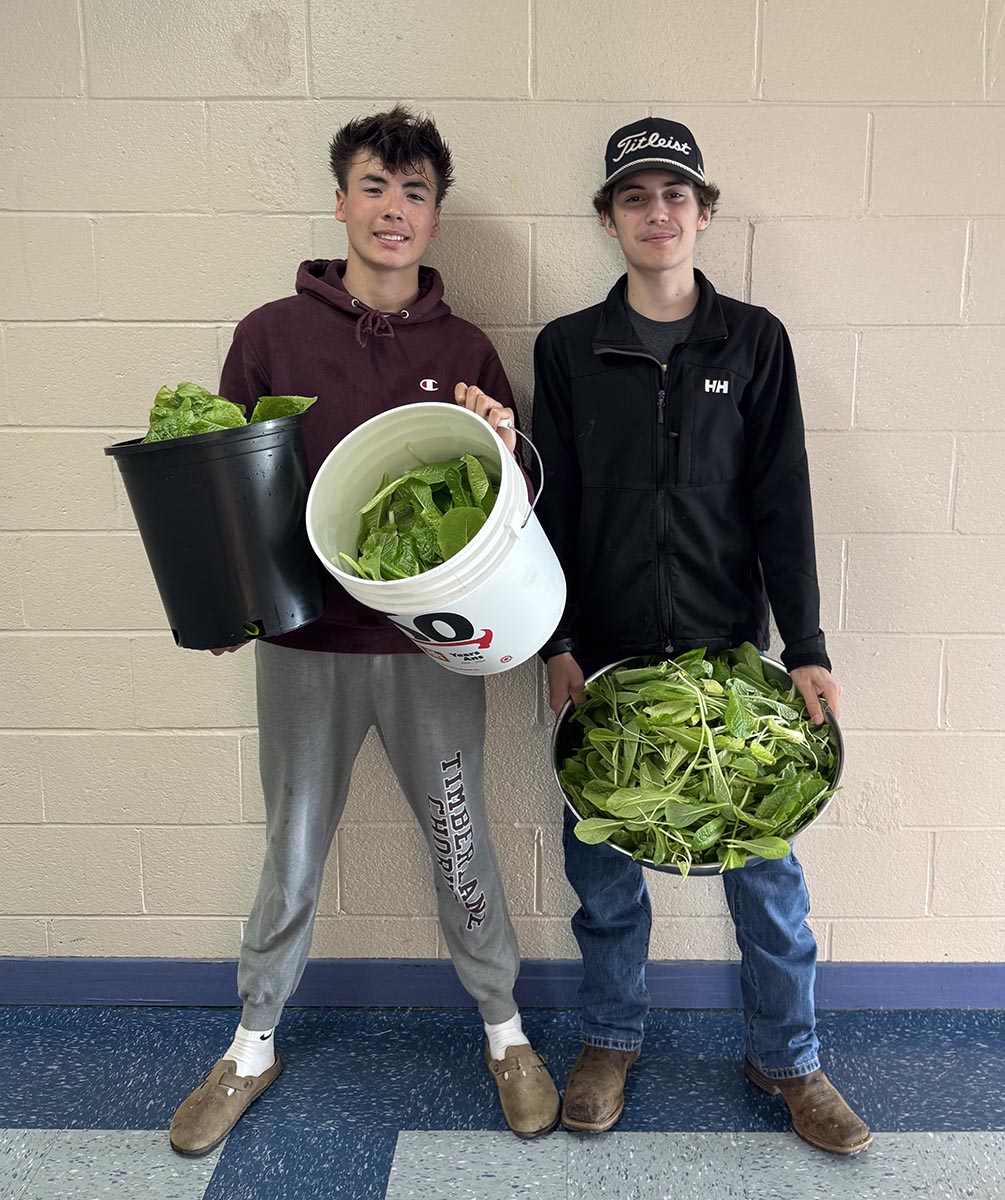 Although this was our first year running the program, the impact has been immediate and inspiring. Over 50 students were directly involved through science, life skills, and community-based learning classes, while nearly every student in the school visited the grow room at some point, asked questions, and followed the progress with curiosity and pride. The grow room was used as an interactive classroom where students planted, monitored, harvested, and tasted a variety of vegetables. They also kept journals, made predictions, graphed data, and experimented with recipes using the food they helped grow.
As one student shared, “I learned way more doing this than reading from a book or listening to a teacher. It helped me understand faster and made me really appreciate what goes into growing food. I want to have my own garden at home!” The program has only been running for one year, but its impact has already been deeply felt, building pride, curiosity, and connection across grades and learning levels.
Key features of our program included the creation of a fully functioning indoor grow room with lighting and hydroponics, and cross-curricular integration with food literacy, sustainability, and STEM. We also collaborated with our cafeteria staff to prepare lunches/snacks using greens from the grow room, giving students a literal taste of their hard work. On Thursdays, we hosted a salad bar in the cafeteria where students learned to harvest, weigh, and even calculate pretend prices for selling lettuce, giving them real-life experience in food production and business. The grow room and salad bar became sources of conversation and community, fostering food literacy, environmental responsibility, and hands-on learning.
Despite the many successes, we faced challenges. Time constraints were a major barrier as teachers juggled core curriculum with plant care. We overcame this by embedding plant care into daily routines, assigning classroom plant roles, and creating a rotating student team schedule to share responsibility. By normalizing plant care as part of everyday learning, it became less of a task and more of a privilege.
We have promoted the program through community social media and photo displays throughout the halls. The wider school community, such as parents, staff, and students, has responded with pride and interest. The buzz around food literacy has opened the door for future outdoor gardens and more culturally relevant food discussions.
Through this grant, our students have not only learned how to grow food, but they have grown in responsibility, teamwork, and appreciation for where their food comes from. We are grateful to have taken the first step in what we hope will be a long and fruitful journey in food literacy and sustainable education.