Lewisporte Intermediate School, Lewisporte, NL
Grant term, 2024-2025
Grades 7–9 | 160 Students
Nestled on the north-central coast of Newfoundland, the small town of Lewisporte is known for its close-knit community, scenic harbour, and strong ties to rural living. At Lewisporte Intermediate, a school serving 160 students from grades 7 to 9, a new connection has taken root—one between students, their food, and the land that sustains them. Thanks to the support from Farm to Cafeteria Canada’s Dig In! Seed Grant, our school has begun to launch a vibrant farm-to-school project that is already making a lasting impact.
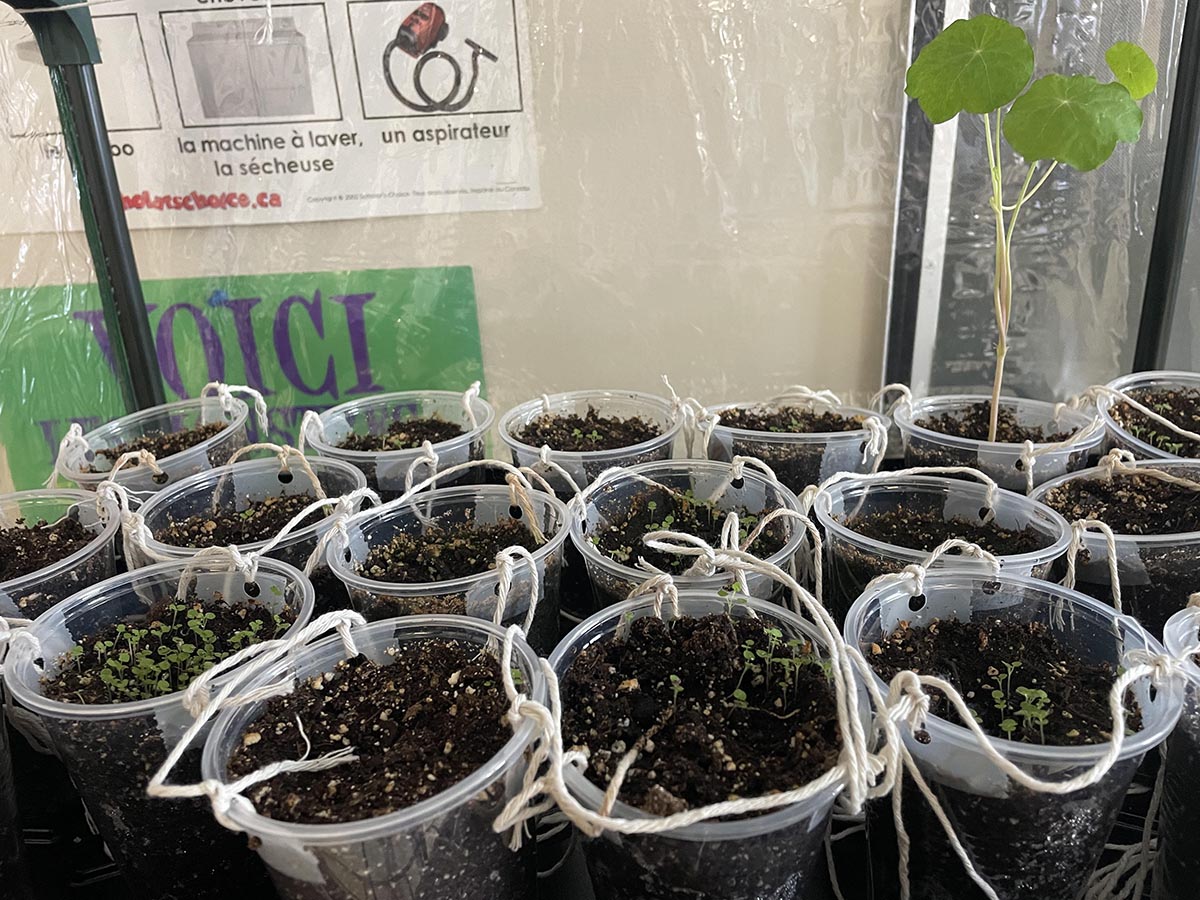
The grant allowed us to build raised garden beds on school grounds, where students will now grow a variety of vegetables, including carrots, lettuce, tomatoes, and basil. Though Newfoundland’s growing season is short and often delayed by cold spring weather, we’ve adapted by starting seedlings indoors using grow lights and transplanting them when the weather permits. These hands-on gardening experiences have helped foster a sense of responsibility and curiosity among students.
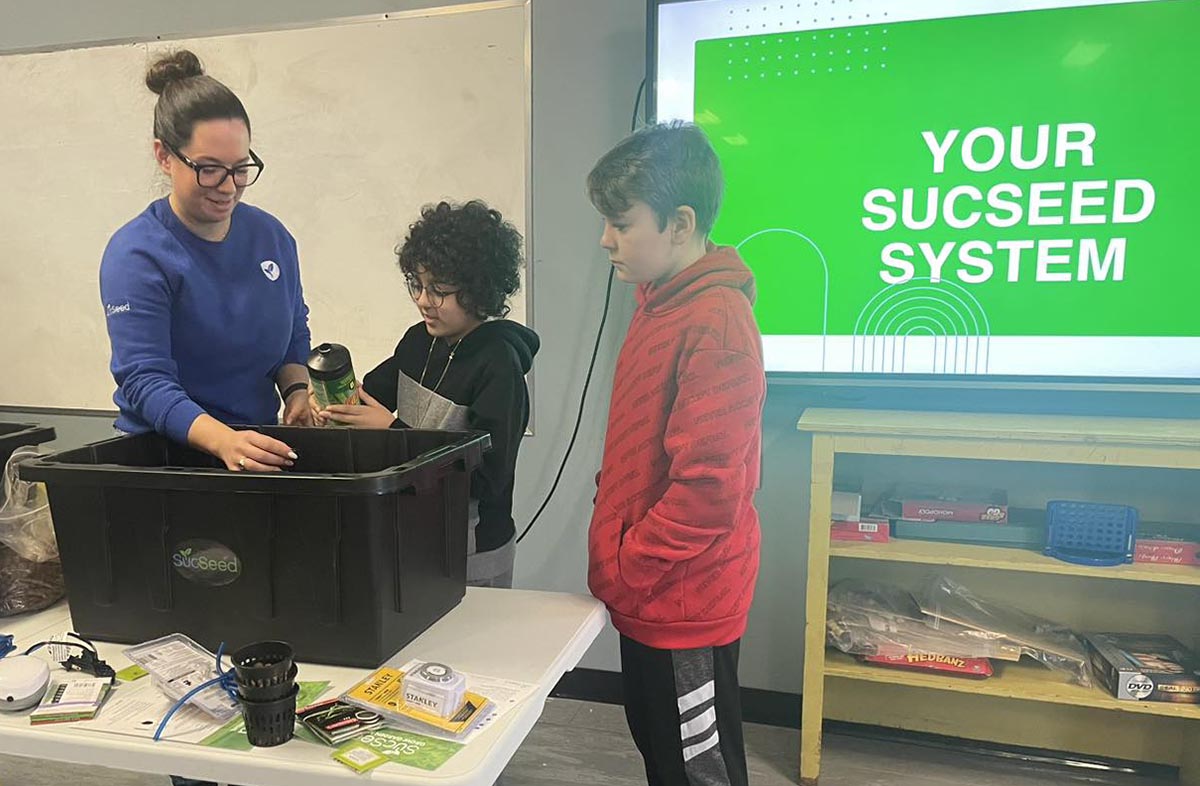
The impact on our school community has been both educational and deeply personal. Students are gaining real-world skills and discovering where their food comes from—many for the first time. Teachers are integrating the garden into lessons on science, nutrition, environmental studies, and even math, giving students a dynamic, real-life context for their learning.
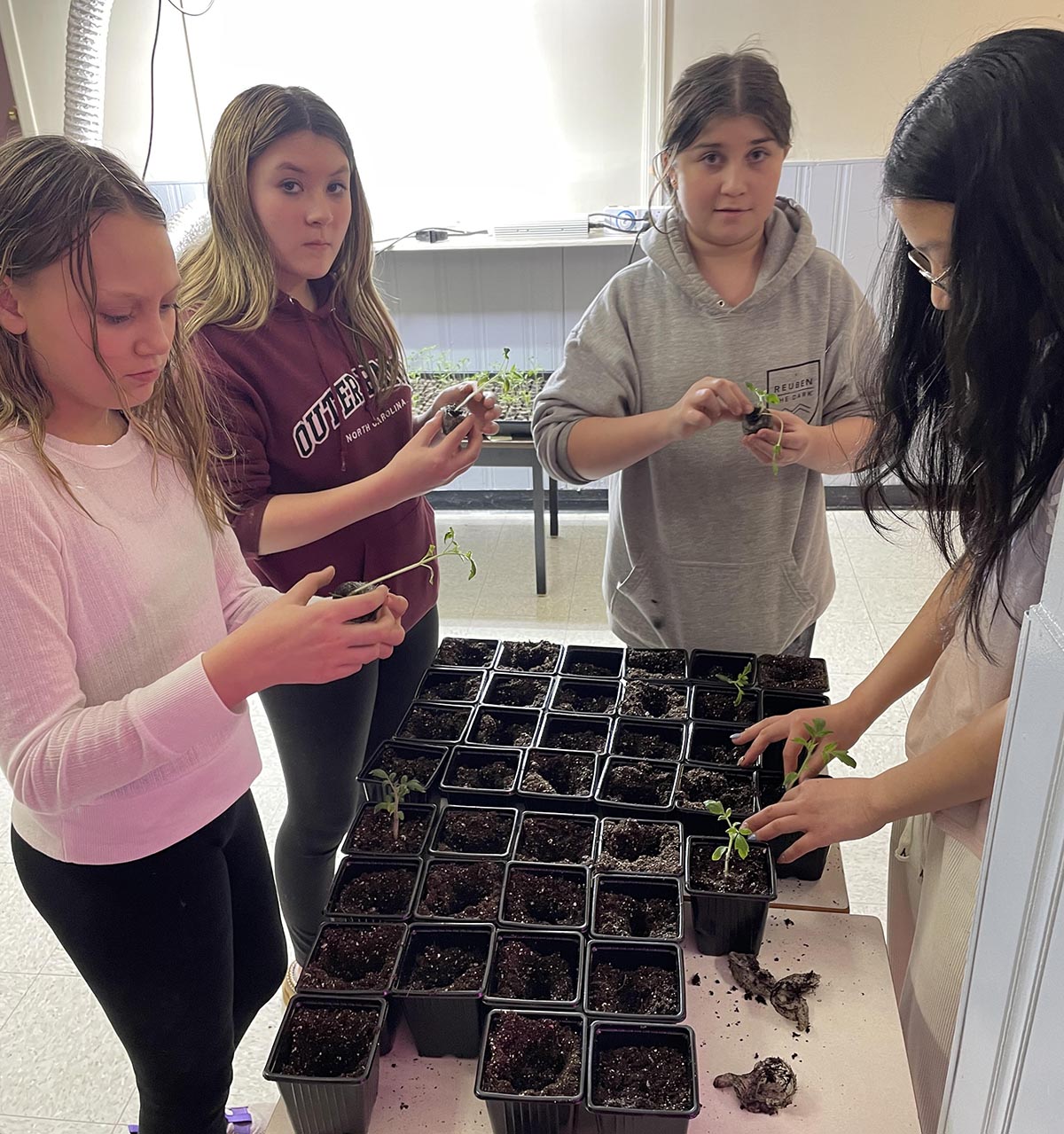 One of the key champions behind this project is Coadi Langdon, a dedicated teacher whose passion for environmental education helped bring this vision to life. From writing the grant application to coordinating garden work and integrating it into classroom activities, Coadi’s leadership has been essential. “I have found great value in watching students discover the impact of planting a seed,” she says. “This grant has helped our school to plant the seed of inquiry around food literacy in our rural NL community.”
Students themselves are noticing the difference. Grade 7 student Philo K. shared, “It’s fun to see something you planted grow. I like that we can grow healthy food options instead of running to get processed foods at the closest fast-food place. We are helping the environment too! ”
Despite some early challenges—like scheduling time during the school day and dealing with cool weather—we’ve found creative ways to make the project thrive. By rotating class responsibilities and involving multiple teachers, we’ve ensured that the workload is manageable. Community partners and parents will also pitch in to offer support and help maintain the garden over weekends and summers.

As we look to the future, we’re excited to expand the garden and explore the possibility of incorporating a school salad bar or regular taste-testing events to further link what students grow to what they eat. The Seed Grant has done more than support a school garden—it has helped cultivate a school culture that values sustainability, health, and community connection.
We are deeply grateful for the opportunity this grant has given us to grow not just vegetables, but values—of stewardship, curiosity, and community.